
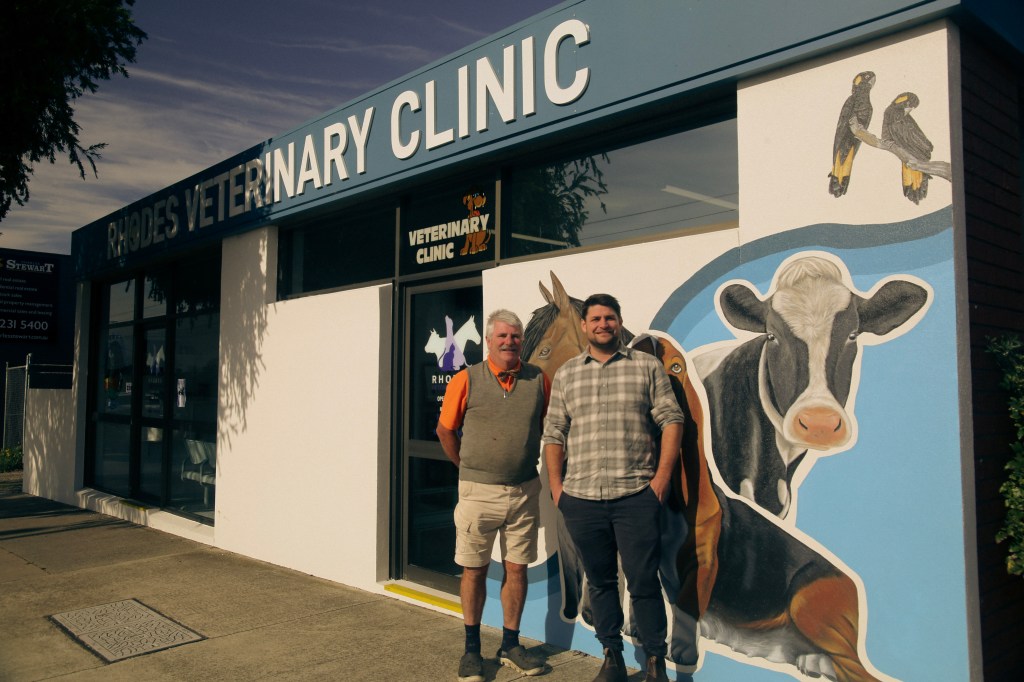
The Feature · Rhodes Veterinary Clinic · Colac, Victoria
THREE GENERATIONS. ONE CALLING.
For more than half a century, a single veterinary family in Colac has answered the call — through drought and flood, day and night, across three generations bound by one calling.
The clinic that never closed its door
There are places that measure their history in decades, and there are families who measure theirs in the animals they have healed. In Colac, in Victoria’s Western District, the two have long been the same thing. The name above the door has stayed constant while everything around it changed — the farms, the fashions, the medicine itself.
To understand Rhodes Veterinary Clinic, you have to understand that it was never only a business. It was a promise made to a district, and kept by three generations of the same family, each in turn deciding that this was the work worth giving a life to.
Day or night, rain, hail or harvest, people have called Rhodes.
It Starts With Dusty
It started, as these things often do, with one person and a decision. Dusty set up in Colac when the district still ran on horsepower of the literal kind, and a vet was as likely to be found kneeling in a paddock at midnight as behind a counter. He built a reputation the only way it can be built — by turning up.
The farmers learned they could rely on him, and reliability, in a place like this, is a currency that outlasts money. It was passed down.
Growing Up Rhodes
For the second generation, there was no dramatic moment of choosing. The clinic was simply the world they grew up inside — the smell of it, the phone that rang at all hours, the sense that the family’s day belonged as much to the district as to itself. You do not so much decide to become a Rhodes vet as realise you already are one.
And so the work carried on, deepened by the trust that only time can build with a community that watches you grow up.
Then There Was Ben
Then there was Ben — the third generation, carrying a name that already meant something before he had done a single thing to earn it. That is both a gift and a weight. He took up the calling knowing exactly what it asks: the interrupted dinners, the drives out to distant farms, the responsibility that does not clock off.
He also brought something new — modern medicine, fresh thinking — into a practice built on an old and simple idea: that you answer when you are called.
The Cases That Stay
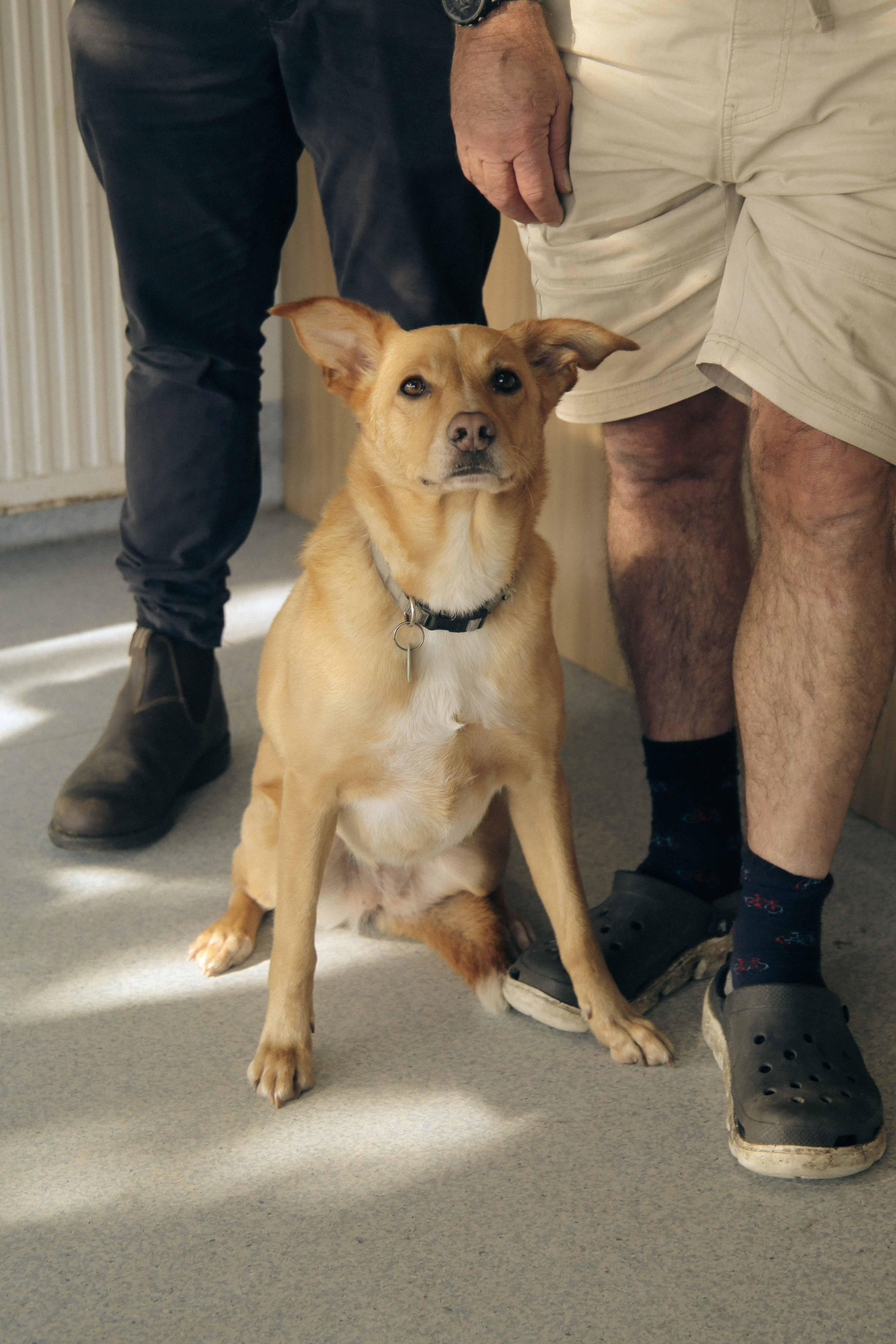
Every vet keeps a private ledger of the cases that stay with them — the ones that ended well against the odds, and the ones that did not, no matter what was tried. These are not stories told to impress. They are the marks a life in this work leaves on a person.
Ask any of them and they will remember the animal, the farm, the family, the hour of the night. That memory is the proof of how much it mattered.
More Than Animals
A country vet is never only treating an animal. They are steadying a farmer whose livelihood is on the line, comforting a child whose first pet is failing, sitting with an older couple whose dog has been their company for a decade. The medicine is the smaller part of the job. The larger part is people.
Over three generations, the Rhodes name has become woven into the ordinary and extraordinary days of the district’s families.
What Longevity Looks Like
Longevity is not glamorous. It looks like showing up on the coldest morning of the year. It looks like remembering a family’s last three dogs by name. It looks like a reputation so settled that people no longer think to question it — they simply call Rhodes, the way their parents did, and their parents before them.
That kind of trust cannot be bought or advertised. It can only be earned, slowly, and then honoured.
The Next Chapter
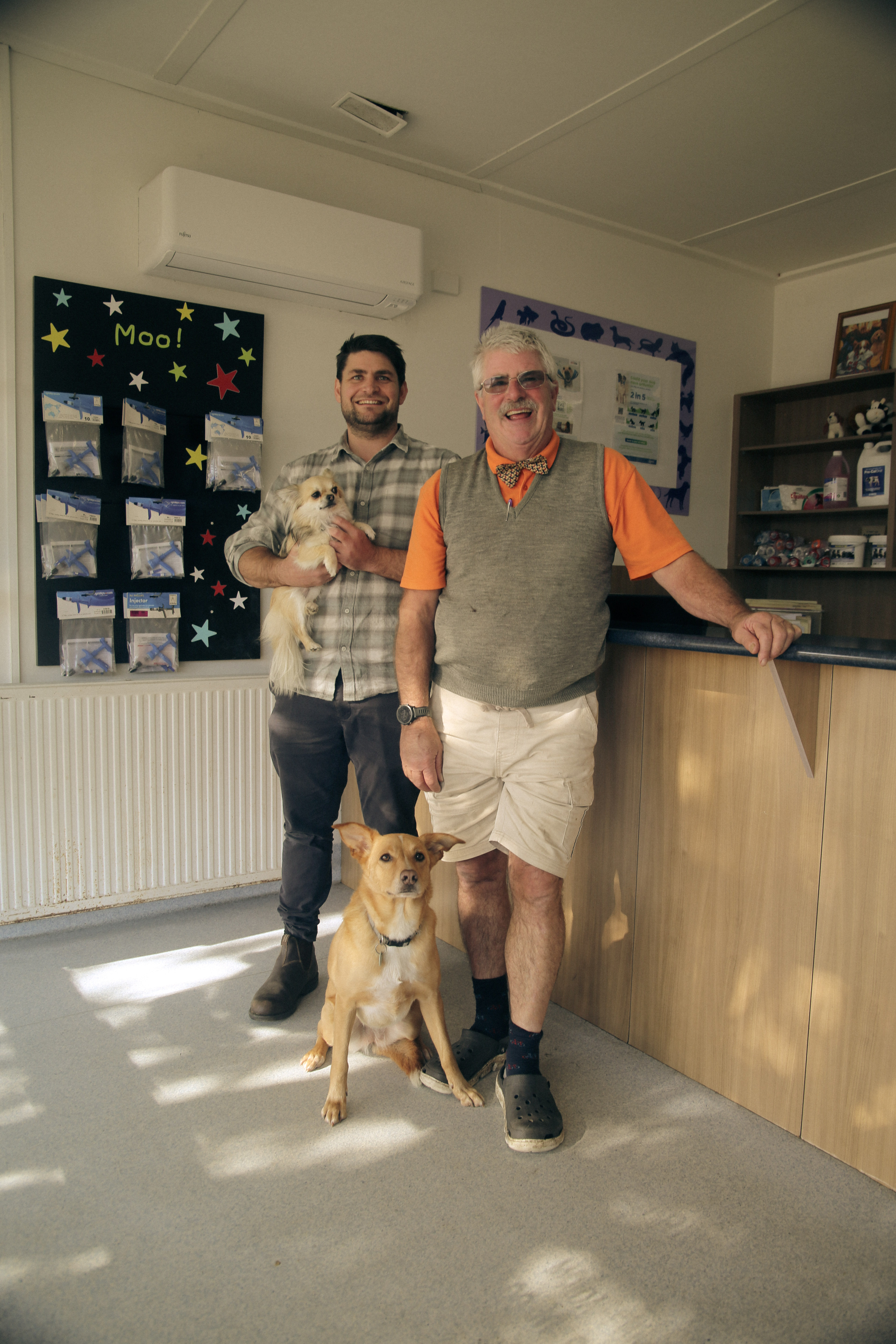
What comes next is being written now. The tools will keep changing; the science will keep advancing. But the shape of the thing — a family, a district, a promise to answer the call — has proven remarkably durable. It has survived three generations because it was never really about any one of them.
People do not bring their animals to Rhodes only for treatment. They trust them with something they care about.
They trust them with something they care about. That is why it is worth knowing.


Leave a Reply