
Long Read · Worth Knowing
CMTP: Built from the Backyard
Words by april burton
■
Worth knowing
CMTP: BUILT FROM THE BACKYARD
If you spend enough time around CMTP in Colac, you start to understand that this is not just a factory. It is a place built on timing, instinct and the kind of family habit that turns an ordinary problem into a business. I spoke to Chris Meade and Travis Meade separately, and that matters.
Chris tells the origin story with the plain clarity of someone who was there when the first idea was still just a practical problem to solve. Travis talks about the business in its present tense — culture, succession, opportunity, responsibility. Together, they show how a family company changes shape without losing its centre.
In a manufacturing town that has seen industries come and go, one timber business has quietly grown for nearly half a century. This is the story of how it started, how it changed hands, and why it still matters.
He saw a gap, followed it and kept going.
— CMTP: BUILT FROM THE BACKYARD
The Beginning
In 1976, Chris was building a dairy in the Stony Rises when he noticed something that got him thinking. Concrete blocks had arrived from Horsham on pine pallets, and the supplier wanted the pallets back because they were too valuable to lose. Chris started doing the math. He rang a sawmill in Barongarook. He rang Greg Finn, who was running an onion and potato business, and Greg ordered the first 20 bins.
Chris and Marilyn had been married only three months. They drove to Melbourne and bought their first nail gun, then started making onion and potato bins in the backyard of their rental house in Wallace Street, Colac. There was no forklift, so the bins were loaded onto the truck by hand. Much of the equipment was borrowed. There was no business plan, no funding support to lean on, just a sense that the opportunity was real enough to follow.
Marilyn was part of that from the start. Chris remembers her quietly working alongside him, even if she was not immediately convinced that the next step should always be a bigger one. When it came time to buy a forklift, he recalls her wondering whether they were going too far. It is a small detail, but an important one. The business began not just with Chris’s instinct, but with a marriage, a partnership and the practical doubt that often sits beside ambition.
Chris tells those early years without romance. He saw a gap, followed it and kept going.
A Business Finds Its Feet
For a while, CMTP was still a secondary business. Chris was busy with building work, and the timber side kept growing in the background. The company began as Colac Pallet Co., then kept making bins, then moved into larger premises as the work expanded. For six weeks it operated out of the showgrounds before being forced out when the show was coming through. After that it shifted into Drapers Road, where it rented space until 1985.
The early years were not neat. They were temporary, improvised and always moving.
By the 1980s, the work had broadened. CMTP was making cases and crates for Ford for car components heading to New Zealand. That job mattered because it showed the business could do more than local produce bins. It could meet industrial demand, work to specification and step into a different kind of manufacturing.
The growth came quickly at times. Chris remembers one job where the workforce went from three to 14 in a matter of weeks, then to 20 soon after. Around the same period, he was still balancing other work, and the business was still surviving on stubbornness more than structure. It was also through the early eighties recession, when machinery had already been invested in and every dollar still had to be made to count.
WHEN IT CHANGED
There is often a moment in a family business when the scale shifts and everyone realises the thing has become bigger than the version they first had in their heads.
For Chris, one of those moments came with Loscam. He had been chasing the work for years, and when it finally came through, the price had to be sharpened again and again until it worked. One dollar too much, then 46 cents too much, then another six cents shaved off. Then away they went.
That contract opened up more work and more opportunity. It marked the point where the business started to widen its horizon. Chris says it was around the age of 40 that CMTP became his main focus. By then, the company had already outgrown its origins.
In time it became CM Timber Processing, and then CMTP. The name changed, but the habit of finding the next thing remained the same. A 1985 move into longer-term premises, the growth in customer base, and the increasing complexity of jobs all pushed the business from a small local operation into something broader and more durable.
Chris also remembers the confidence that came when awards and recognition started to arrive. It was not that he had been thinking about building something big from the start. It was more that others began to suggest the business could do much more than he had first imagined. That, too, became part of the story.
It is a place built on timing, instinct and the kind of family habit that turns an ordinary problem into a business.
THE FACTORY NOW
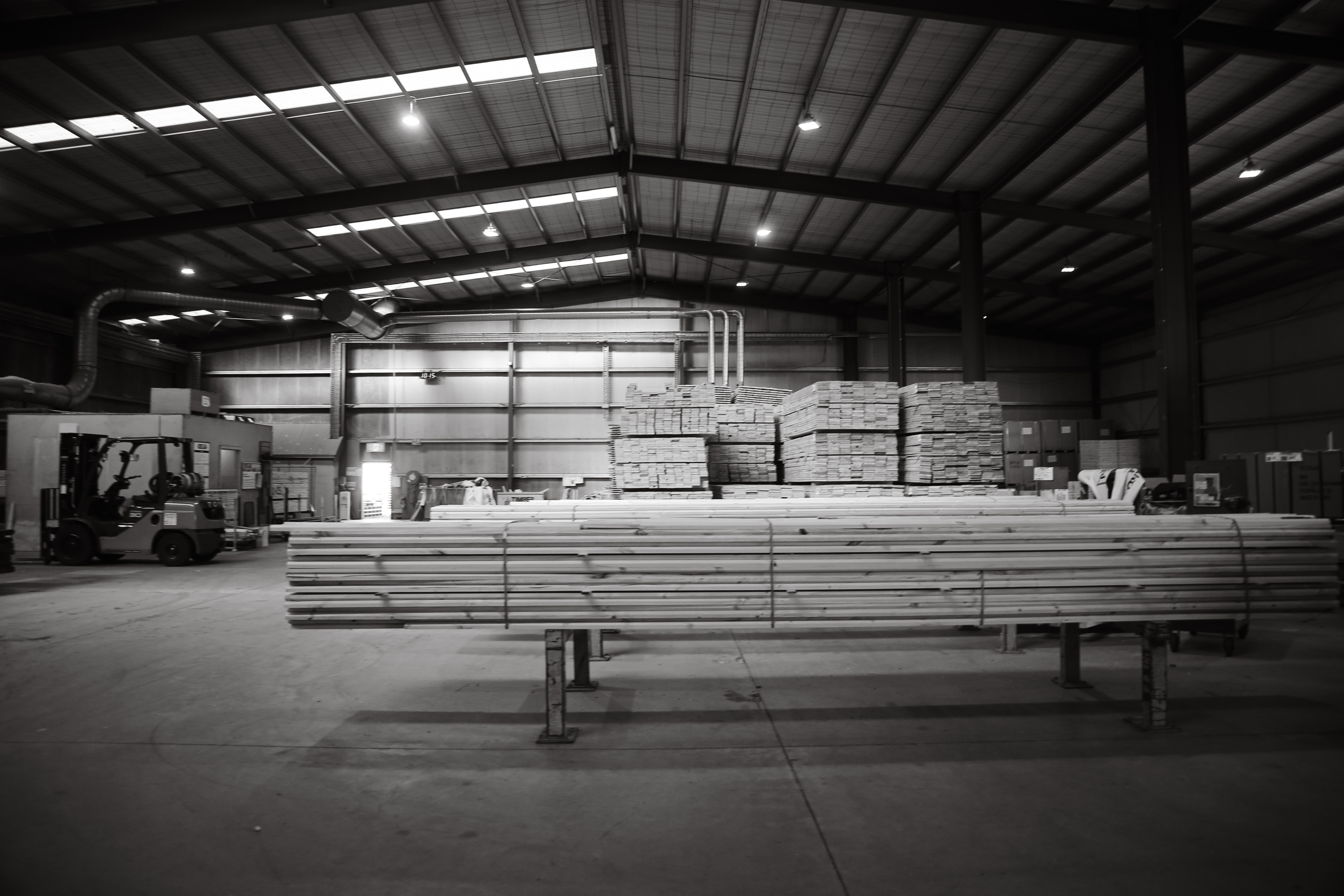
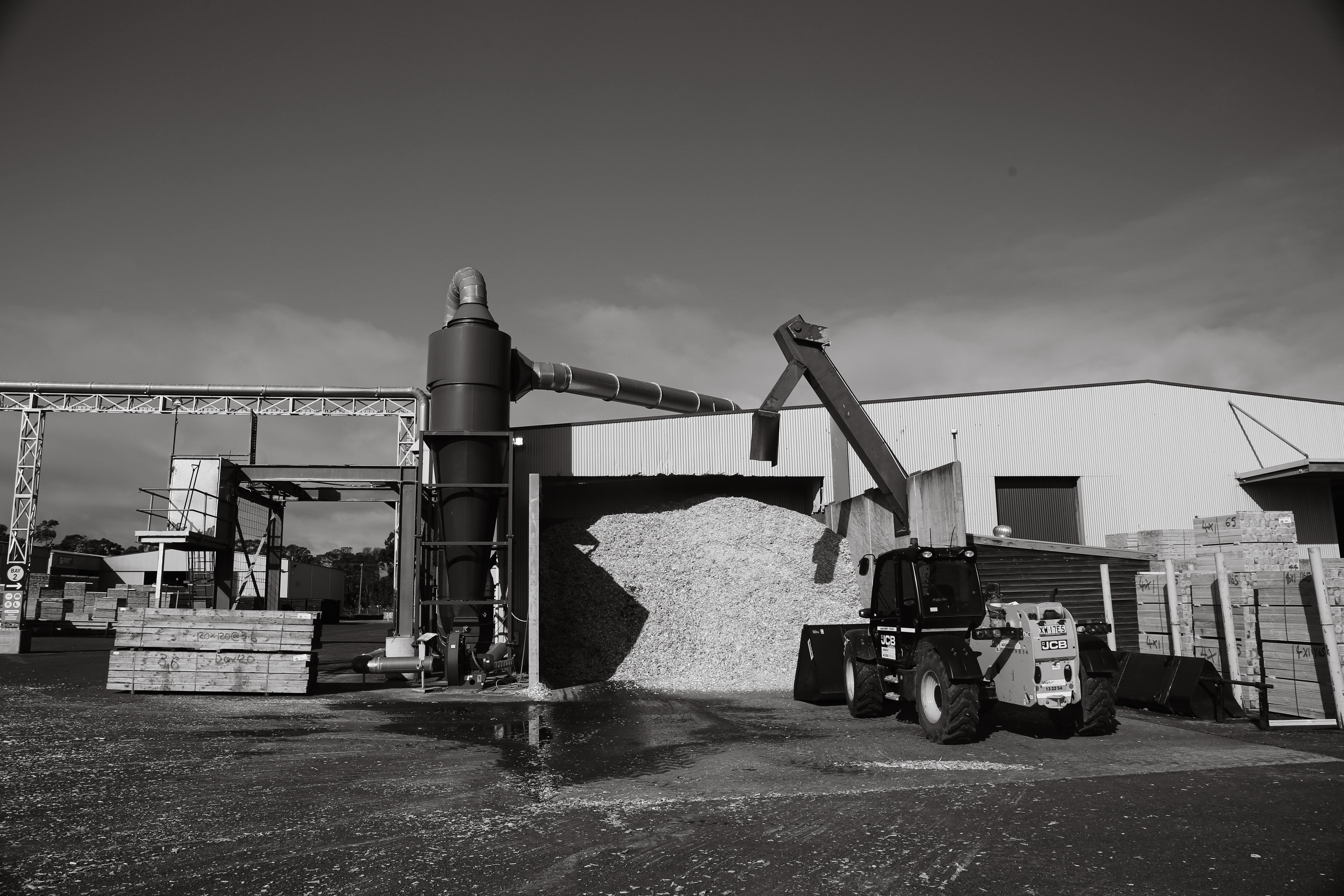
If the early business was improvised and hand-loaded, the modern one is highly automated and tightly organised.
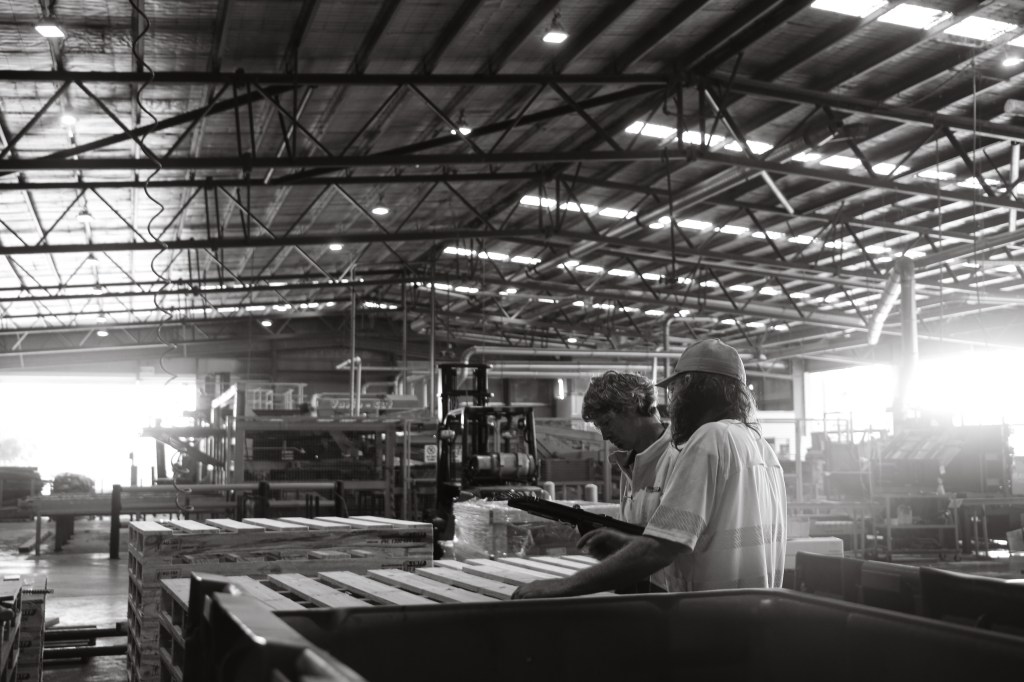
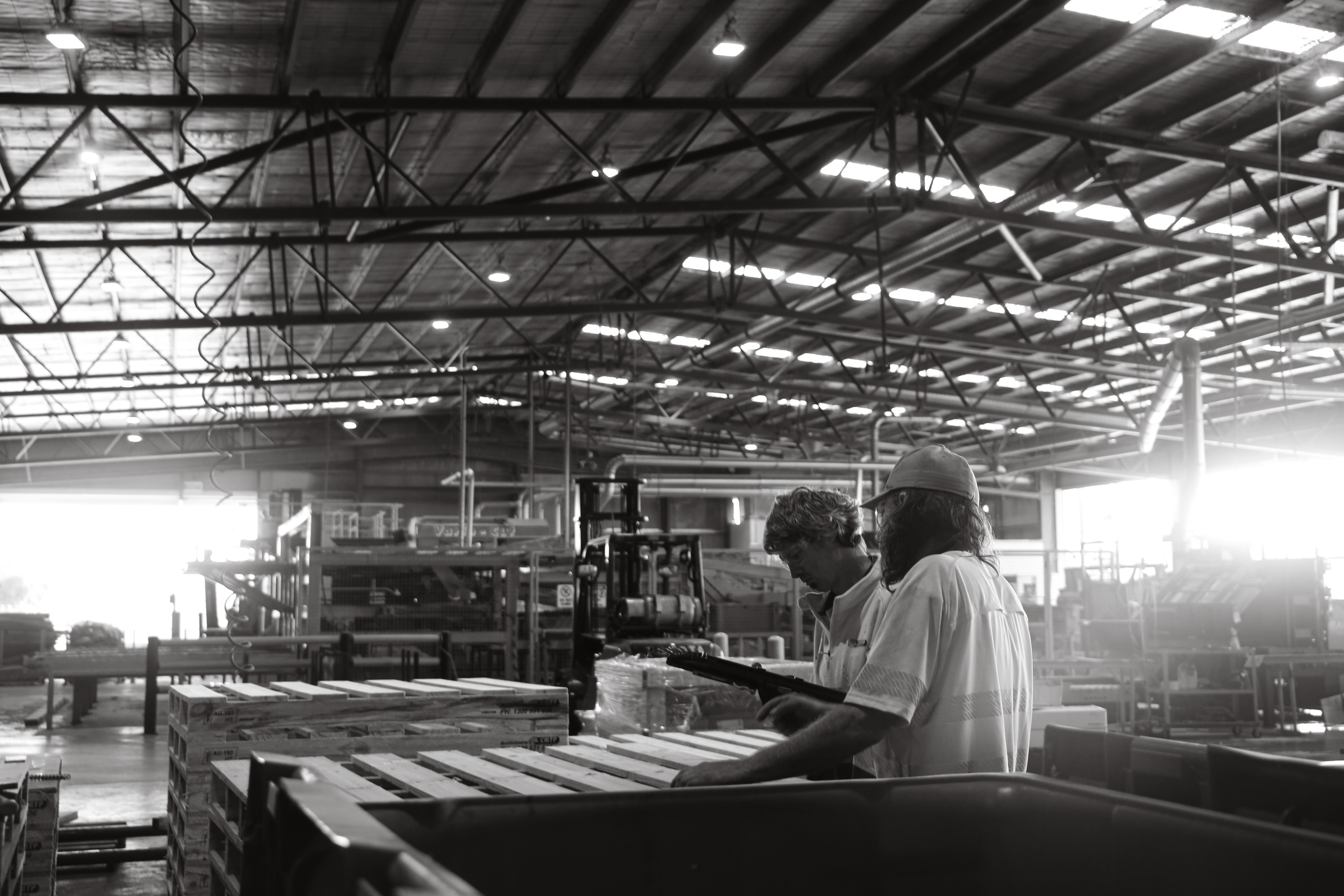
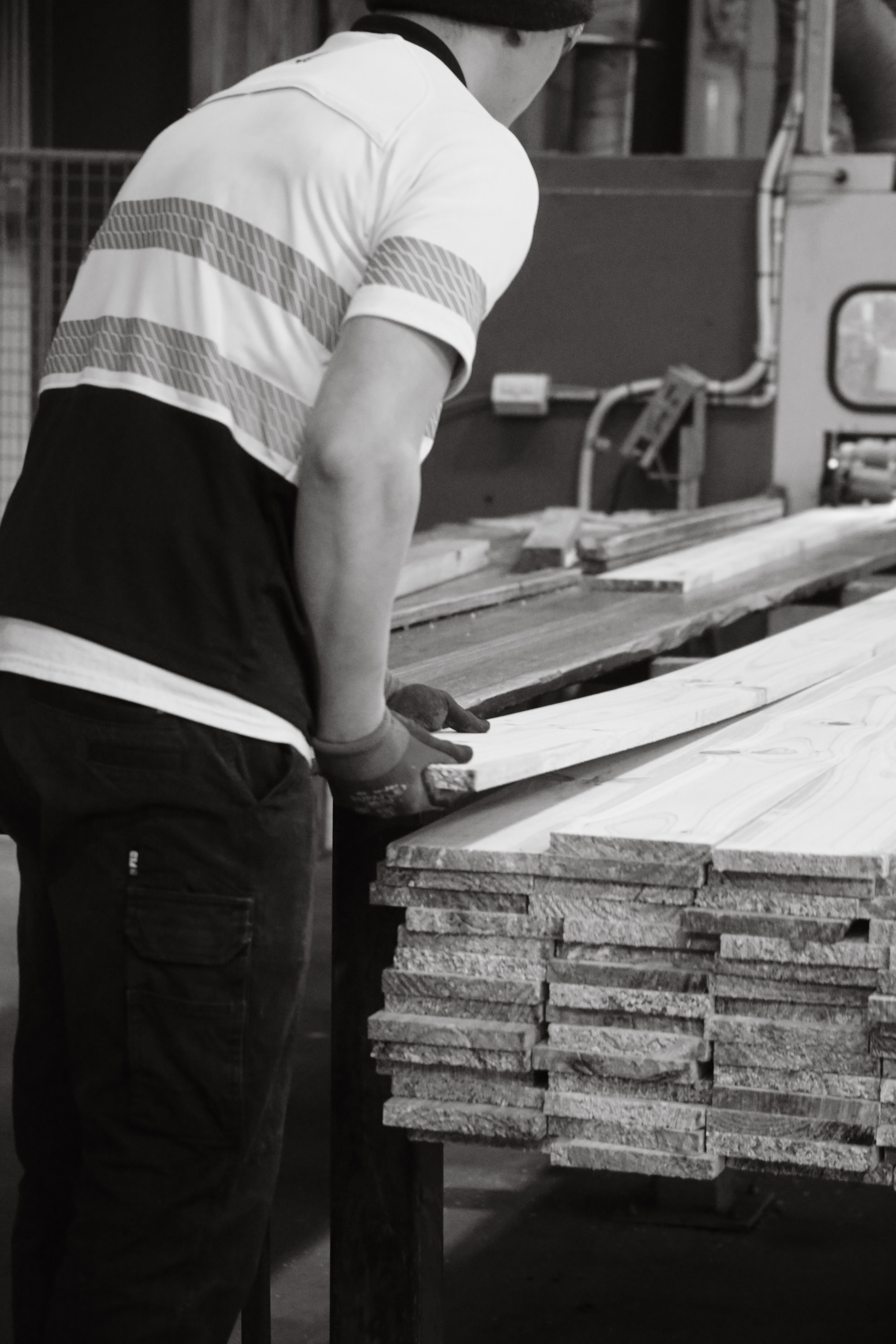
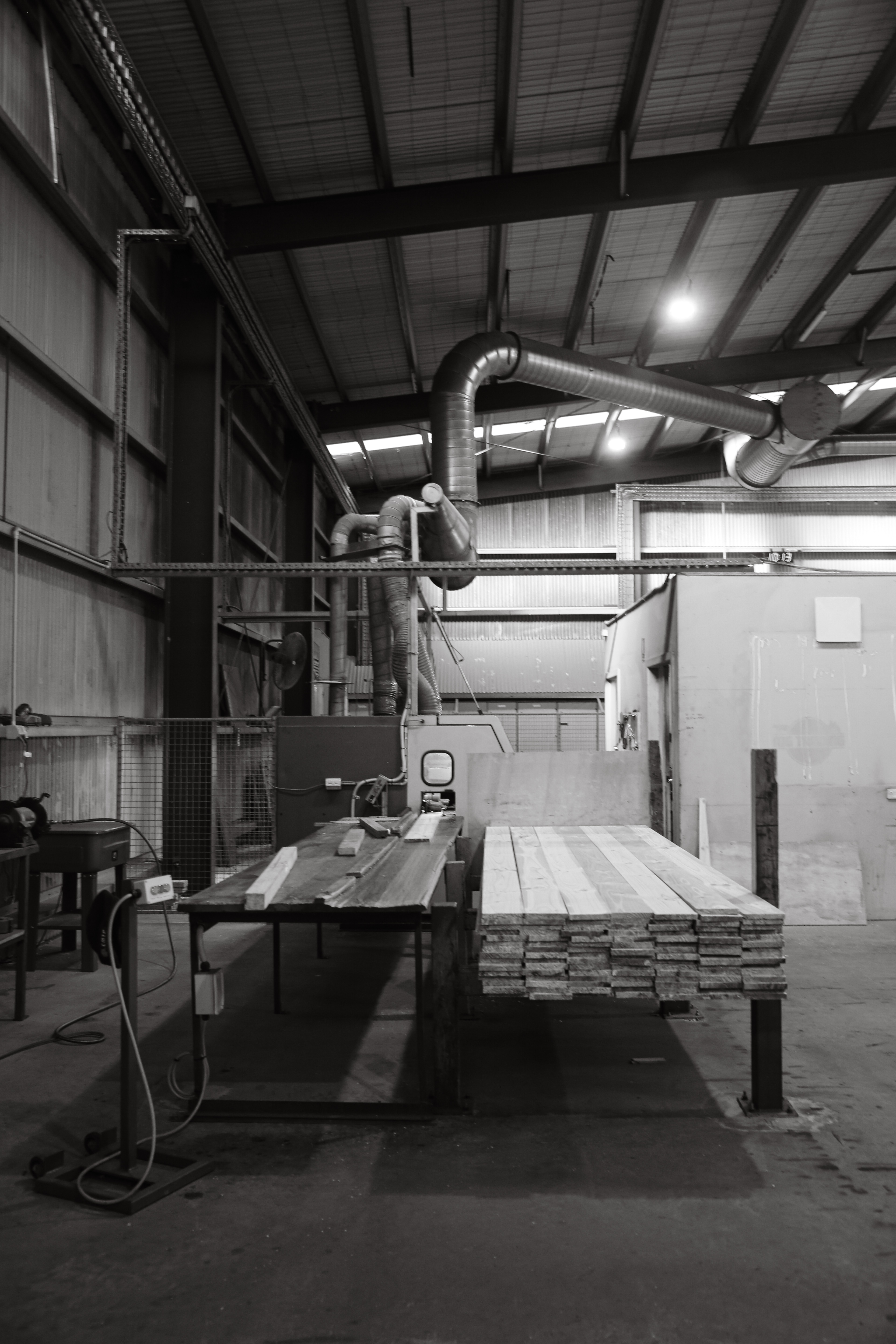
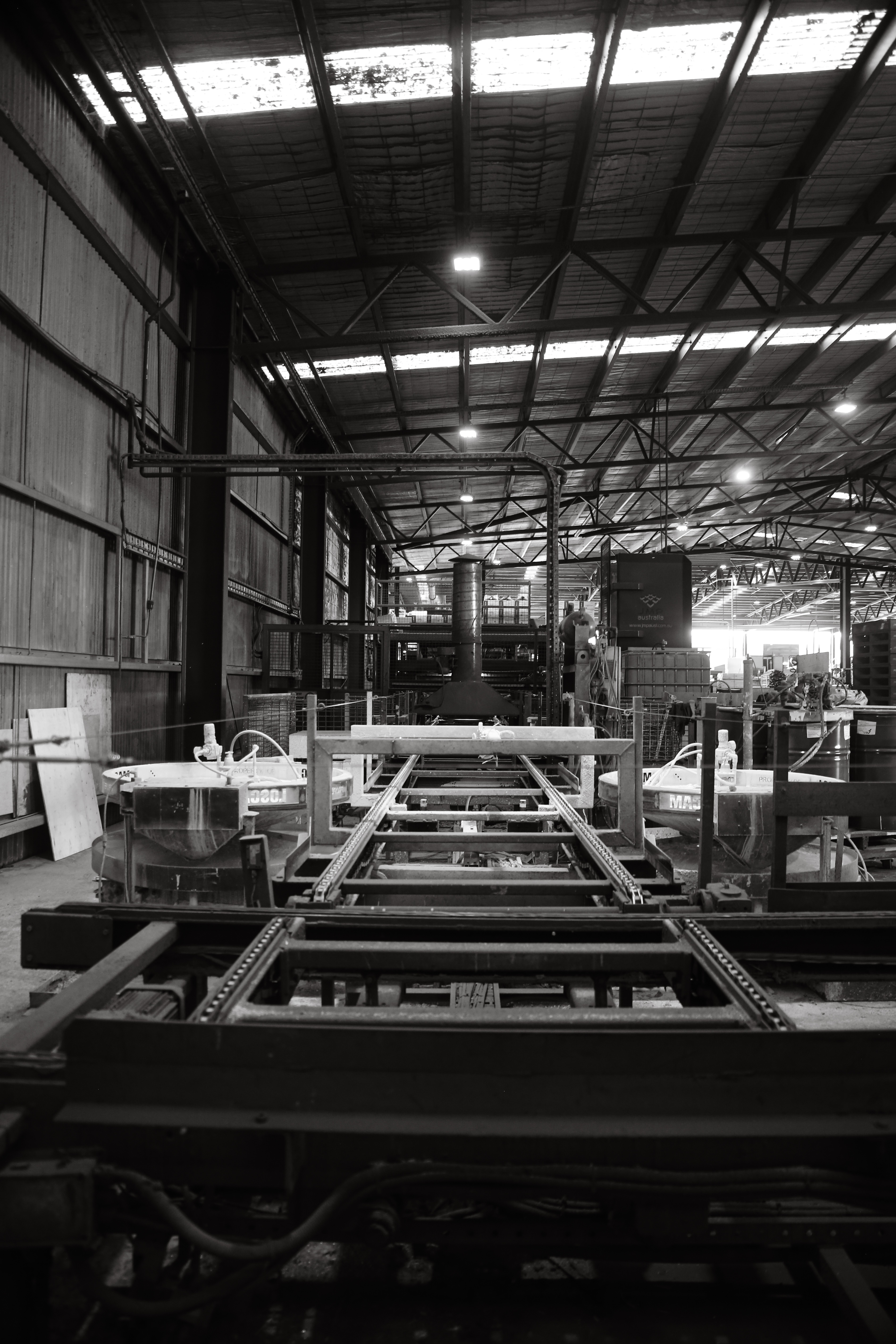
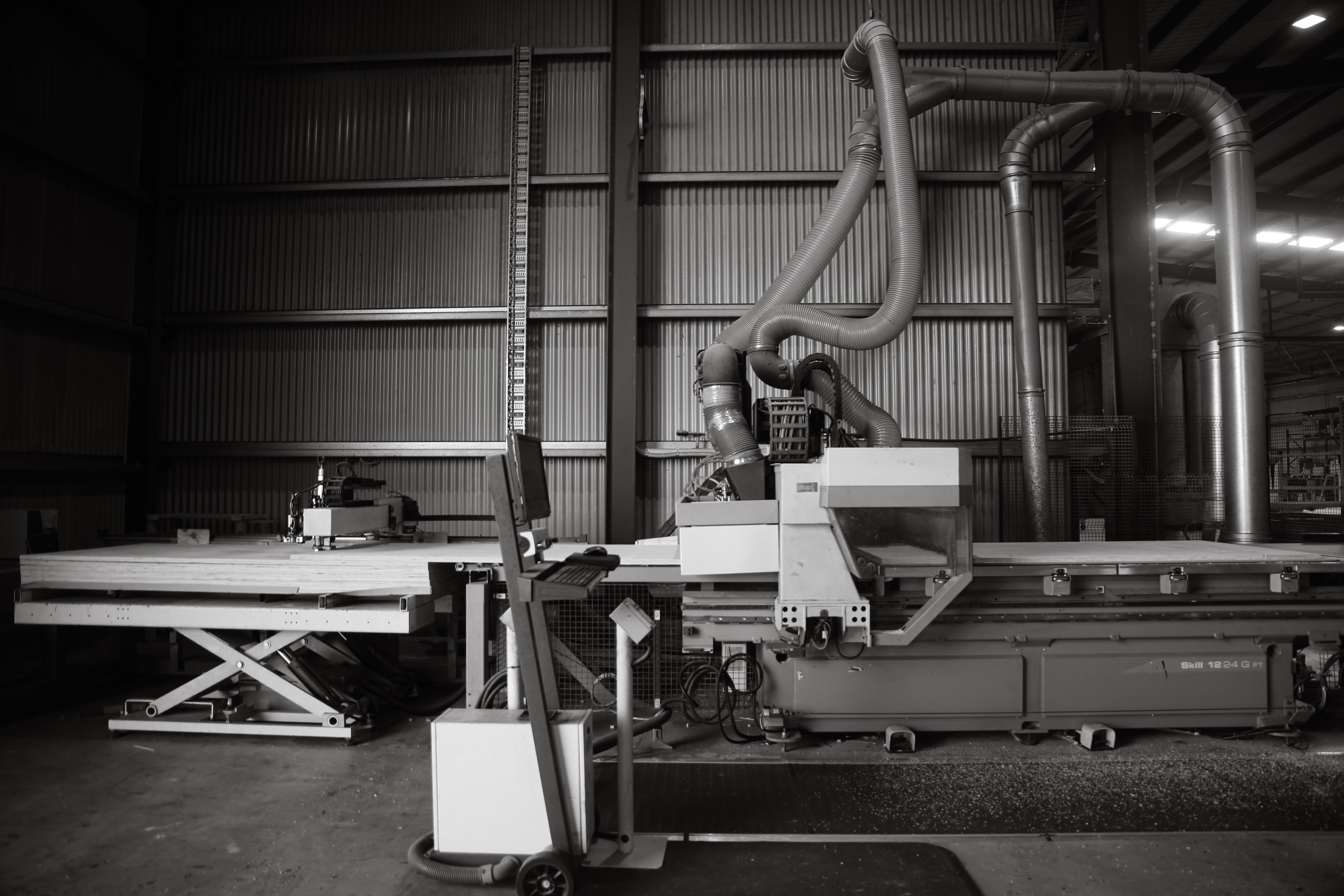
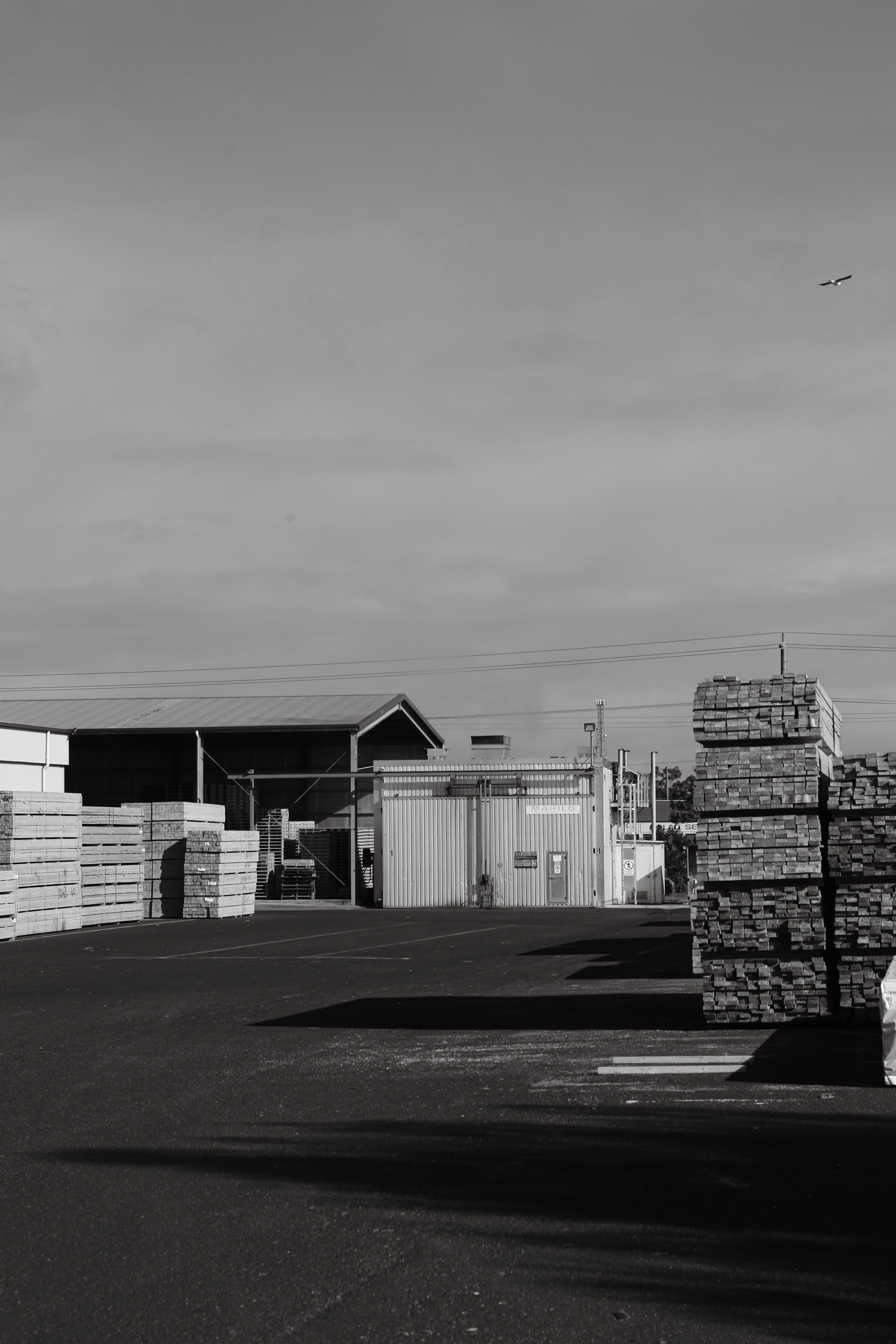
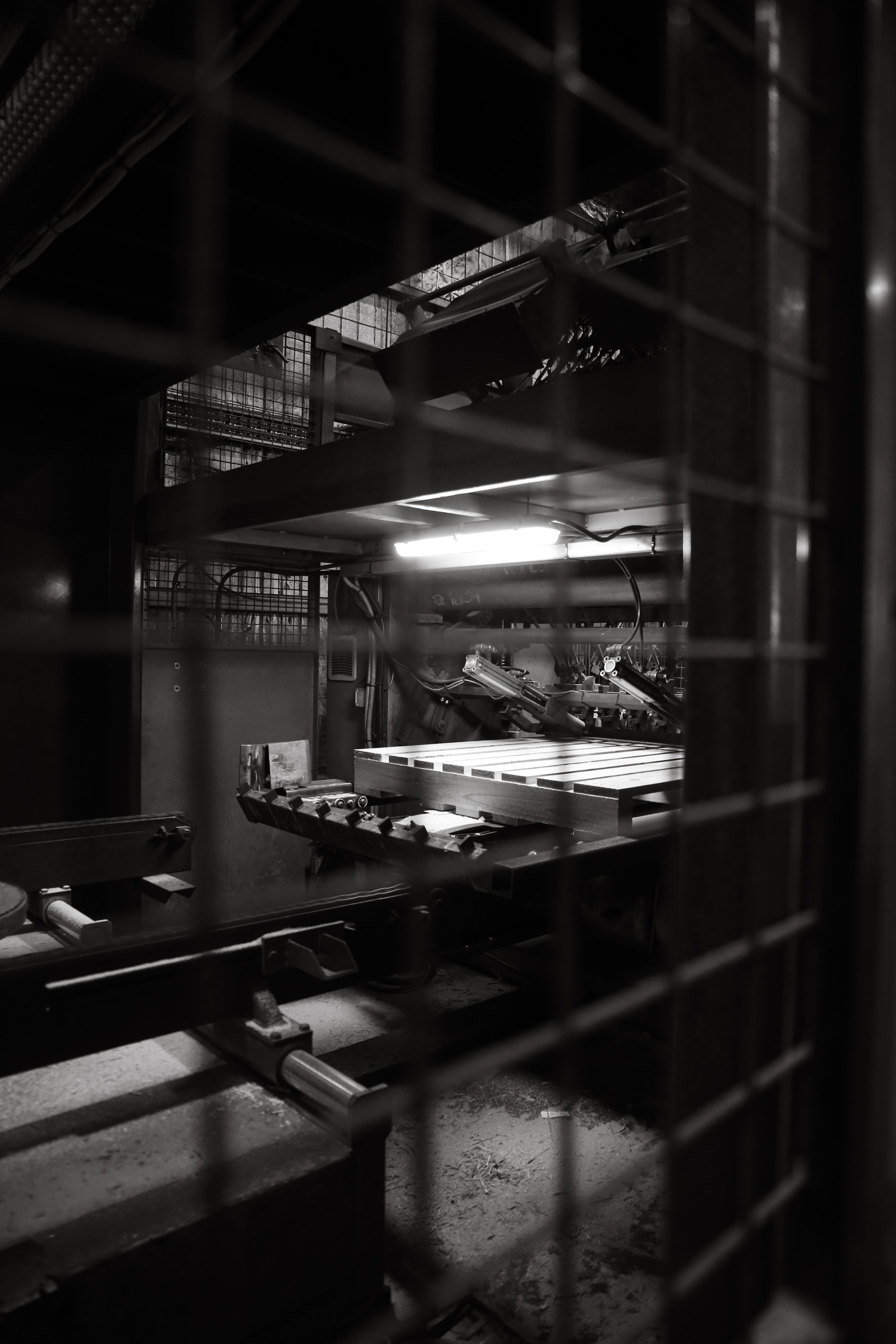
Travis talks about the current CMTP with the confidence of someone who has worked through the factory floor and into the role of managing director. There are two shifts in Colac, around 40 to 45 staff, and machinery doing work that once would have relied far more heavily on manual labour. The business now produces pallets, crates, produce bins and timber packaging products at scale.
One of the machines he points to is the Storti, which can produce around 1,800 pallets per shift. That kind of output tells you how far the business has come. It is still hands-on, but the skill now sits as much in systems, timing and technology as it does in muscle.
Chris talks about one of the old Baker saws he bought from the United States and assembled himself, despite never having used one before. It became a game changer, but it also became a training point. New employees learn on it. They learn to watch the machine, handle it carefully and work in pairs. It is a good example of how the business has always mixed instinct with learning.
COLAC’S QUIET STRENGTH
Chris describes Colac as a place that does not swing wildly. It does not rise and fall the way bigger centres do. It just keeps going. That steadiness, he suggests, has shaped the way business gets done here.
He points to the local industrial base: AKD, Bulla, transport operators, abattoirs, dairy, potato growers, suppliers. Colac, in his telling, has always had a quiet strength beneath the surface. The town may be understated, but it has long been supported by serious work.
That matters because CMTP is not just a manufacturer. It is also a local employer and a contributor to the region’s wider economy. It gives people jobs, pathways and a reason to stay. Travis puts it simply: businesses like this keep food on the table. Chris goes further, saying regional people are often underestimated, when in fact there is enormous horsepower in rural communities.
That sense of regional capability runs through both interviews. CMTP did not succeed despite being in Colac. In many ways, it succeeded because it was in Colac.
CULTURE AT SCALE
As the company has grown, culture has become more deliberate.
Travis says that whenever CMTP expands or takes over another operation, the aim is to embed its values quickly. Teamwork. Hard work. Looking after people. The bigger the business becomes, the more important it is to hold onto that.
Chris uses slightly different words, but the meaning is the same. He talks about unselfishness, safety and care, and about the need for a strong culture if you want to run a large business well. Growth, in both their telling, is only worthwhile if the way you treat people grows with it.
That shows up in the workforce story too. CMTP has employed people from refugee backgrounds, including Afghan workers who have brought skill, commitment and a strong appreciation for the opportunity. Some employees have stayed for more than 10 years. More recently, the business was spoken about in the Australian Senate for the way it has created job pathways for refugees, a reminder that its impact reaches beyond Colac. Others have moved through the business and on into trades, apprenticeships or new roles elsewhere.
Long-serving staff matter here. They are not just experienced hands. They are part of the structure of the business, a sign that people trust the place enough to stay. Travis says that loyalty has a big impact. It gives the company confidence, but it also says something about the culture the Meades have built.
For Travis, that is part of the point. There are not enough opportunities in regional towns, he says, so businesses like CMTP have to create them.
THE HANDOVER
Travis did not grow up assuming he would run the place.
He spent time around the business as a kid, helping out on weekends, washing forklifts and being around the factory in the way children often are around family businesses — present, but not yet fully inside the story. After school he worked on farms, including a spud farm in Queensland. Then Chris asked him to come back and lend a hand.
That hand became a career.
Travis worked across the business for years, moving through the factory floor, sales and management until, in 2018, he became managing director. The transition was gradual rather than dramatic. Chris had already been letting go where he could.
What Chris seems most proud of is not just that Travis took over, but how he did it. He talks about his son’s judgement, the way he learned the business from the ground up, and the fact that the transition happened with care rather than rupture. He also speaks about COVID as a moment that reinforced trust inside the company. When people were given the freedom to stay home if they felt unwell, almost everyone responded responsibly. For him, that was evidence that the culture held.
Travis, meanwhile, says the hardest part of the transition was not one single role, but the way each one brought a different challenge. Leadership meant learning how to deal with people differently, thinking beyond the factory floor and taking responsibility for more than just operations.
WHAT’S NEXT?
CMTP is not standing still.
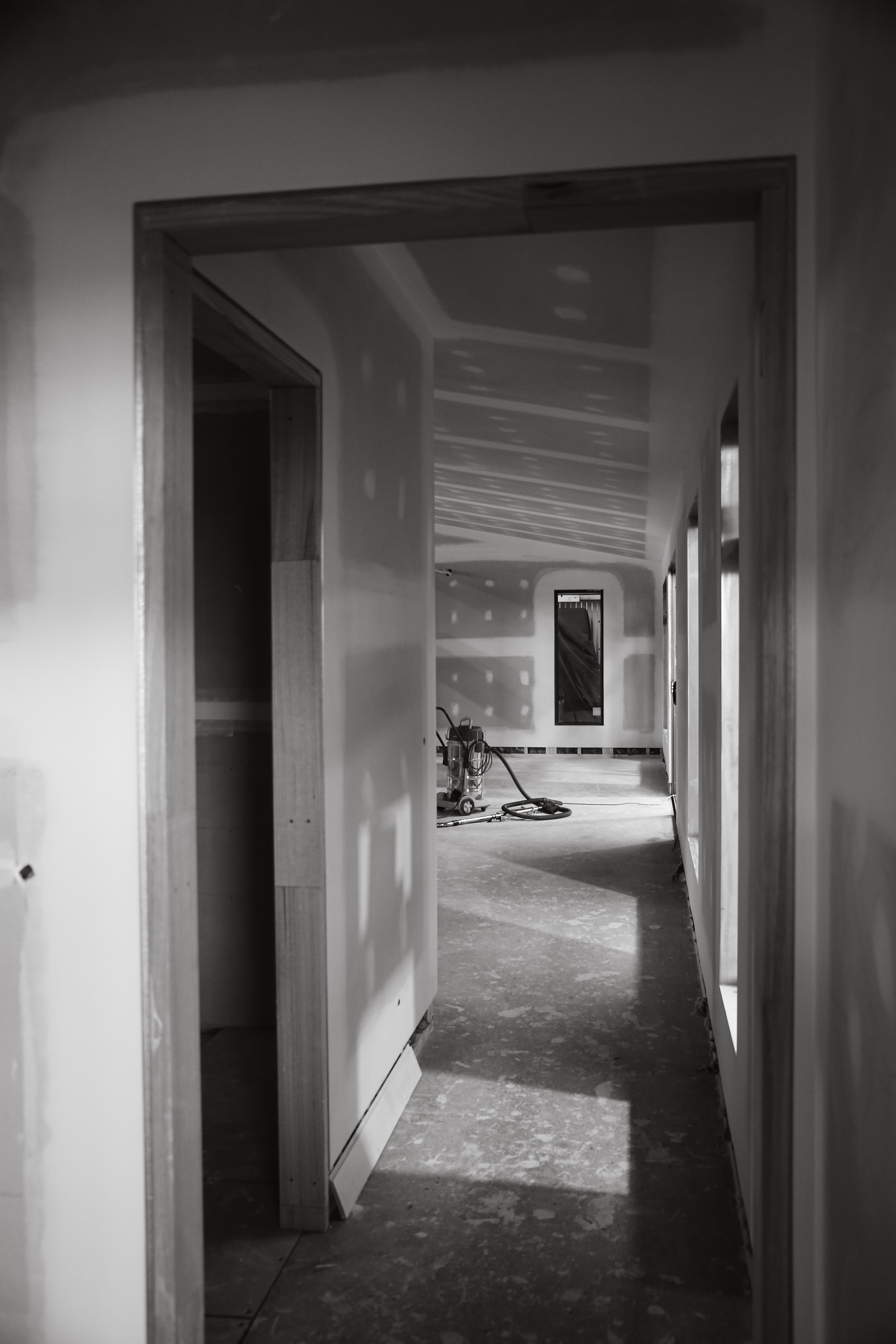
Alongside the core pallet and packaging business, the company has launched Echidna Built, a modular venture that opens up new trade pathways and apprenticeship opportunities. It is another example of the business seeing a gap and deciding to build something into it.
Travis sees the next decade as a chance to keep growing without losing the qualities that made the business work in the first place. More opportunity. More trades. More ways for local people to build a career without leaving the region. He talks about a future that includes continued expansion in addition to its 11 sites across the country, and a business that keeps giving people room to move.
Chris’s hope is broader, and more personal. He wants the business to keep supporting the community, to keep Colac a strong place to live and work, and to keep pushing people to reach their capabilities. He does not speak like someone finished with the story. He speaks like someone still invested in where it goes next.CMTP is not standing still.
WHAT LASTS
What seems to matter most to Travis now is reputation.
He talks about CMTP as a trusted supplier, the kind of business people come back to across generations. That, more than size, is how he measures success. Chris, meanwhile, seems to measure it in a broader emotional register: the challenges overcome, the people who built it, the fact that something begun in a backyard has become part of the life of a region.
There is pride there, clearly. But there is also something more quiet and more telling: a sense that this business has meant a great deal to the people inside it, and that the people inside it have meant just as much to the business.
CMTP is now about more than pallets and packaging. It is about work, family, continuity and the stubborn discipline it takes to keep a regional business alive for half a century.
It started with one order for 20 bins and a nail gun bought in Melbourne. It has lasted because the people behind it kept seeing what could be built next.
That is why CMTP is worth knowing.
Words by April Burton · Photography: The Otway Edit · Colac, Victoria
The Otway Edit · CMTP: Built from the Backyard


Leave a Reply