
The Feature
For Sudenburg!
The community building a fantasy world in Pomborneit
By April burton – Photography by Josh Stanyer
Photography by Josh Stanyer
Hundreds of people travel to Pomborneit each year to fight the undead, elect a mayor and argue over fictional laws. But behind Swordcraft’s foam swords and fantasy armour is a community that’s become home for people from all walks of life.
Every year, hundreds of people make their way to Pomborneit for a week of battles, political disputes, elaborate costumes and an ongoing war against the undead.
They come from across Australia, and even overseas. Some have been part of Swordcraft for years. Others arrive having never played before, stepping into a world where they can join a warband, take on a character and find their feet among people they might never have met otherwise.Together, they build Sudenburg, a fictional town with a Senate, a mayor, a justice system and an undead army threatening to destroy the place they’ve spent years bringing to life.
It’s fantasy, obviously. But the community behind it is very real.
Swordcraft, Australia’s largest action live-action role-playing organisation, has brought its annual gathering to Pomborneit for the past five years. What began as a search for a property large enough to host hundreds of people has become a week-long meeting place for a sprawling community united by a shared story, a love of the game and, for many, the chance to belong somewhere a little different.
The swords get people through the gate. It’s what happens between the battles that helps bring them back.
Hundreds of people travel to Pomborneit each year to fight the undead, elect a mayor and argue over fictional laws.
So, what exactly is Swordcraft?
Think fantasy role-playing brought out of the computer screen and into the real world, with actual people, physical landscapes, foam weapons and a frankly impressive commitment to the bit.
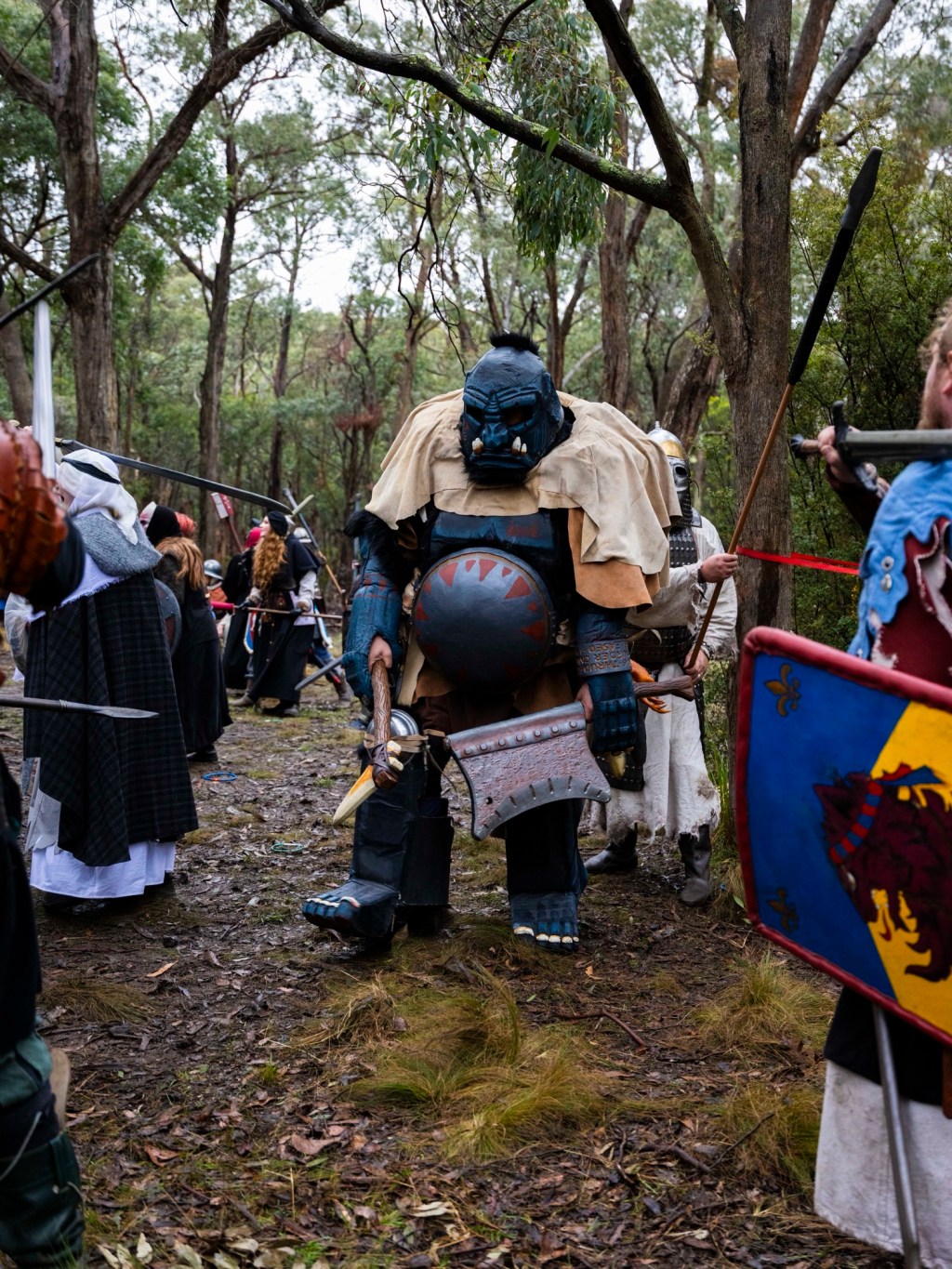
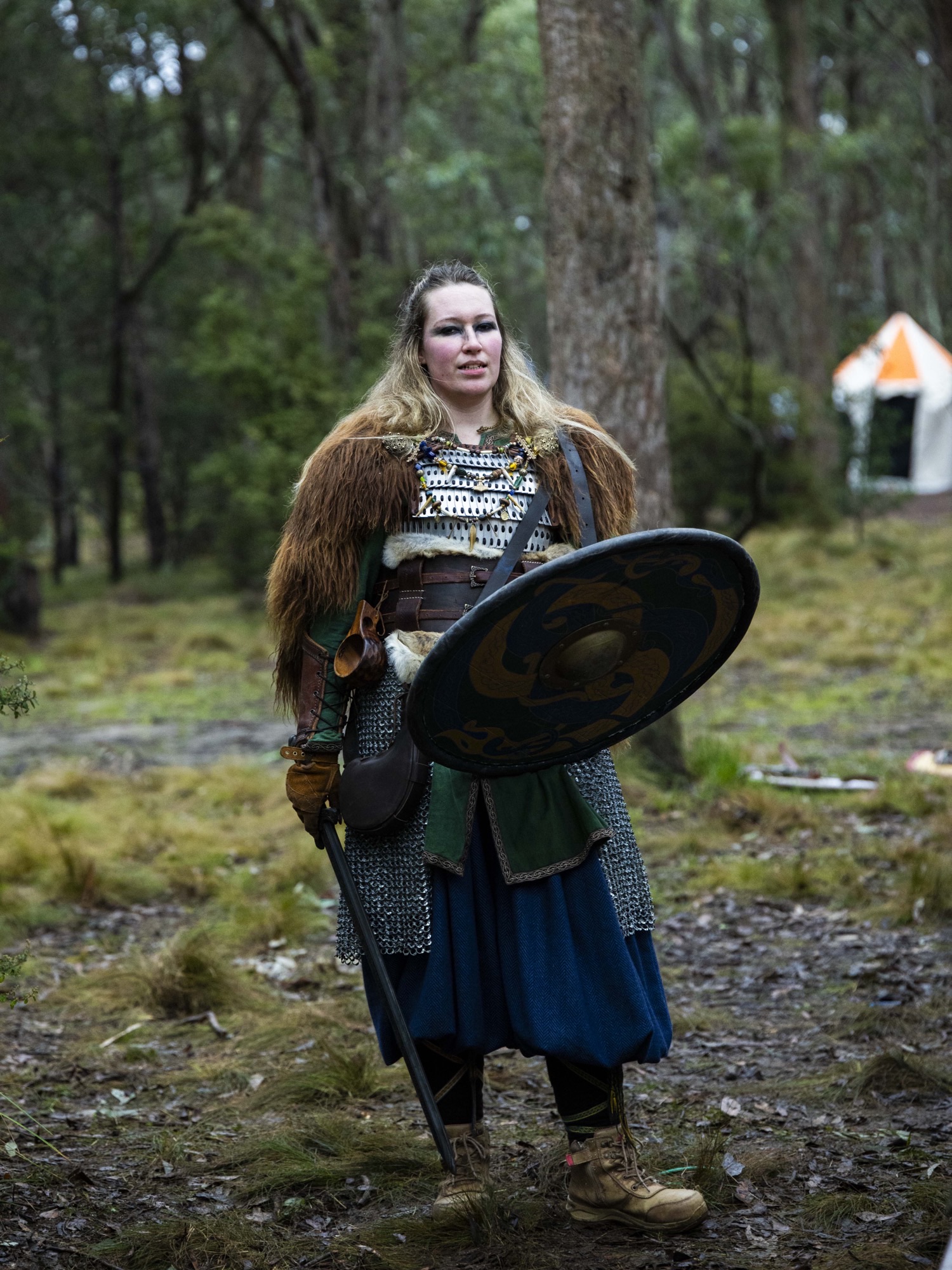
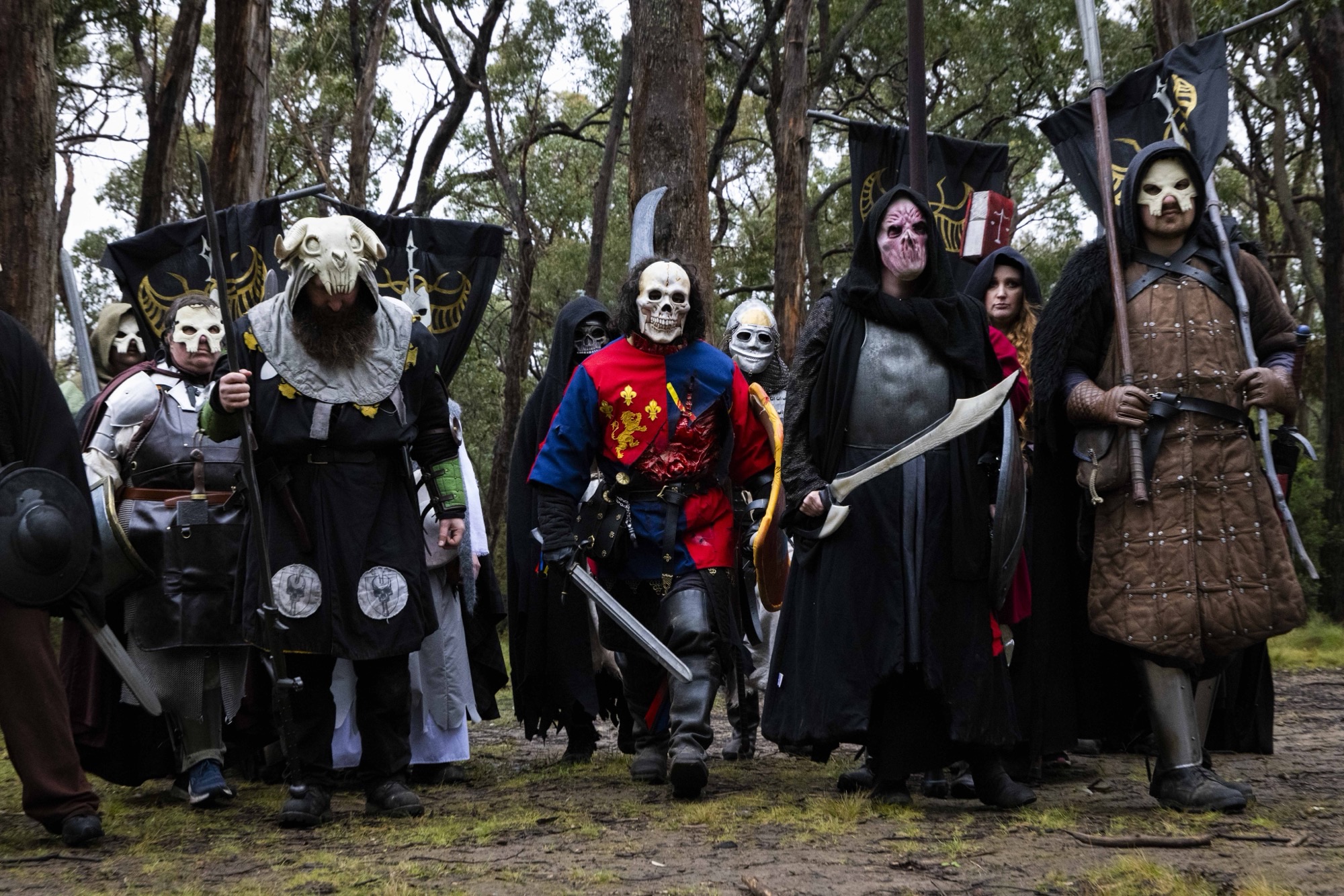
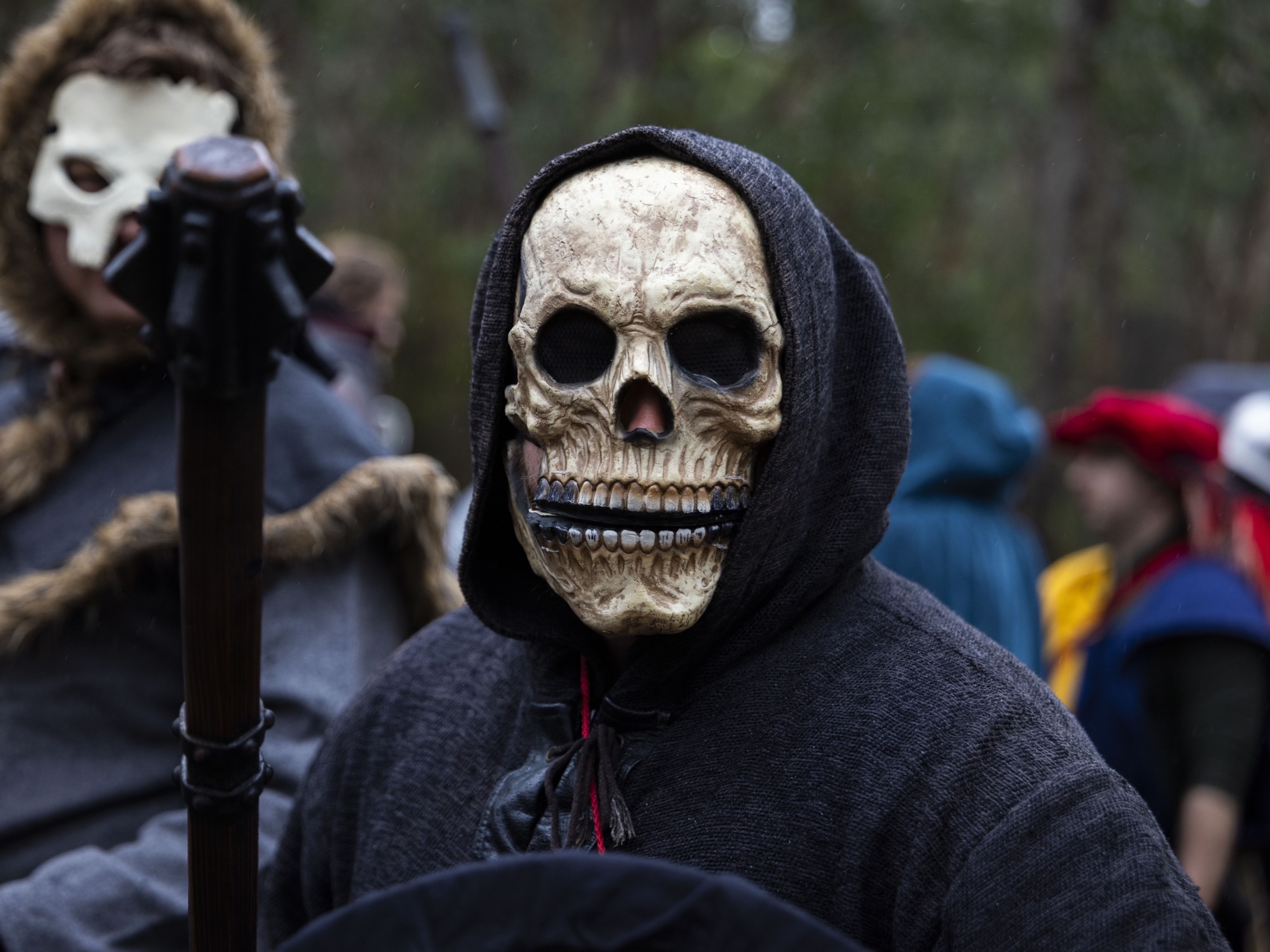
Swordcraft has chapters around Australia, with its Melbourne chapter gathering on Friday nights. Around 150 to 300 players turn up for battles between themed groups known as warbands. Some take inspiration from elves, dwarves and other fantasy worlds, with each group developing its own aesthetic, identity and place in the wider game.
The battles might involve capturing a flag, eliminating the opposing side or completing a specific mission. Players aren’t simply pretending to fight: they’re running, strategising, coordinating with their teammates and trying to achieve objectives while someone in several kilos of armour attempts to hit them with a sword.
Then there’s the annual event at Pomborneit.
Rather than turning up for a Friday-night battle and heading home, hundreds of players arrive to inhabit a shared fictional world, complete with its own history, politics, laws and ongoing existential crisis.
The current crisis, naturally, involves an undead army threatening to destroy the town.
Why Pomborneit?
The annual event began with a practical problem: the Melbourne group’s board needed somewhere big enough to host an event of its own.
With 500 to 700 attendees expected, they needed room for battles, camps, buildings and the kind of collective make-believe that doesn’t work particularly well in someone’s suburban backyard.
Pomborneit offered the space. Its rolling hills gave players a landscape they could turn into something else entirely, a backdrop for adventures, battles and a settlement that has gradually become a home away from home.
In the weeks leading up to the event, volunteers run working bees to prepare the site. The fantasy doesn’t assemble itself, after all.
Five years in, the landscape has become part of the experience. This isn’t just a venue where Swordcraft happens to hold an event. It’s somewhere the community returns to, year after year, to pick up a story they’ve been building together.
An undead army, a town council and the occasional political scandal
Swordcraft’s annual event operates around a larger narrative developed by its story team, game masters and non-player characters (NPCs), the people who help bring the story to life and give players something to respond to.
The current storyline is four years into a five-year arc. An army of the undead is threatening Sudenburg, and the players have spent years gathering clues, working through information and trying to figure out how to save their town.
That means more than winning battles.
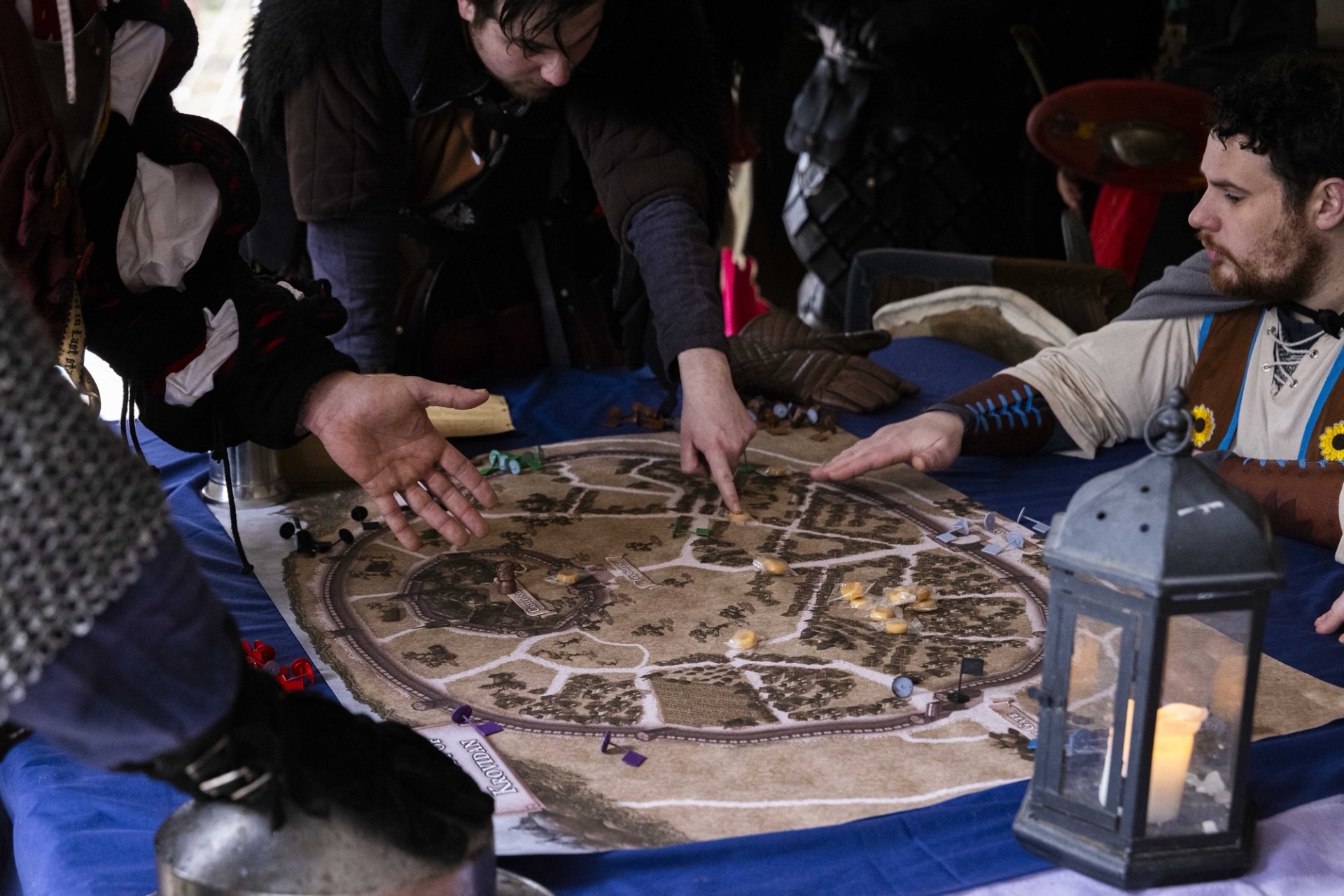
They’ve had to consider how to fortify Sudenburg, build physical structures, prepare for sieges and work out the less glamorous business of keeping a settlement functioning when an army of the dead is on the horizon.
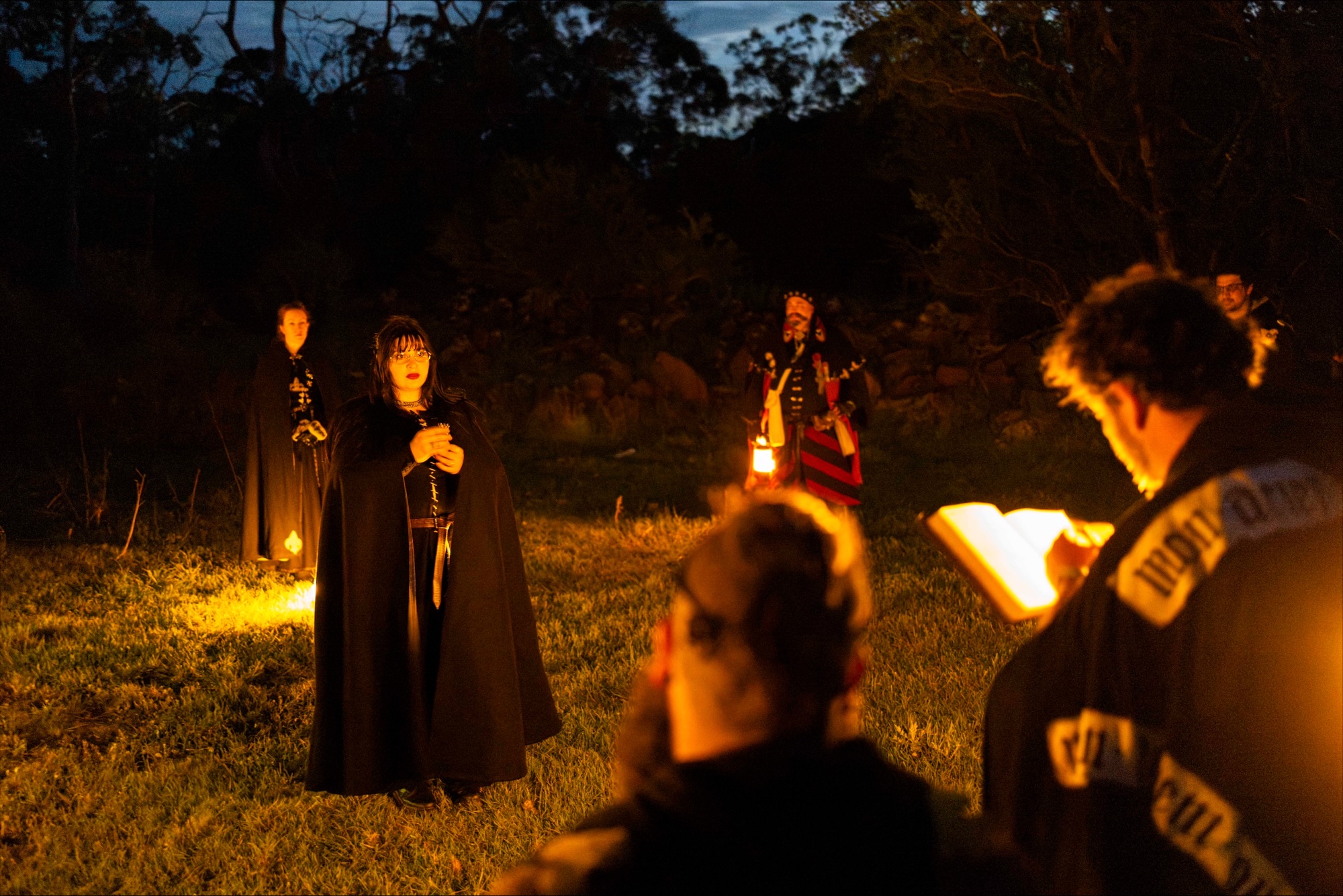
Every evening, the Senate meets. Warbands have representatives who debate motions, argue their positions and make decisions about the town’s future. A mayor is elected on Friday. There are magistrates’ courts to settle fictional criminal and civil disputes, and players can sign up as town guards, earning the local currency to enforce Sudenburg’s laws.
It is, in other words, a fantasy town with a government.
And, as in real life, the government has to deal with people.
One example from the community’s recent political machinations: a motion to protect voting integrity introduced rules requiring one vote per person, with passports used as identification and compulsory voting enforced. Anyone who fails to get marked off could find themselves facing consequences when they return the following year.
Somewhere between the undead invasion and the administrative procedures, the line between parody and reality starts to blur.
That’s part of the joke. It’s also part of what makes the world work.
The players aren’t simply being handed a story to watch. They’re helping decide what happens next.
The people behind the armour
If you’re imagining a few dozen blokes who never quite grew out of playing Dungeons & Dragons in the 1980s, you’re working with a fairly outdated picture.
Swordcraft attracts university students, high school students, tradies, teachers, government workers, hospitality workers and people from all sorts of backgrounds. Some arrive with years of fantasy gaming experience. Others have never played anything like it before.
The wider popularity of fantasy television, video games, tabletop role-playing and science fiction has helped make these interests more familiar. What might once have attracted a raised eyebrow can now prompt a much more immediate response: That actually looks pretty cool.
Players travel from across Australia for the annual event, and the international connections run further still. Participants have travelled from places including Singapore, Germany and Canada, while Australian players have attended events overseas and built friendships that eventually bring people back to, right here in the Stony Rises, in Pomborneit.
For a week, a paddock in South West Victoria becomes a meeting place for people who might otherwise never cross paths.
And for some, that’s the point.
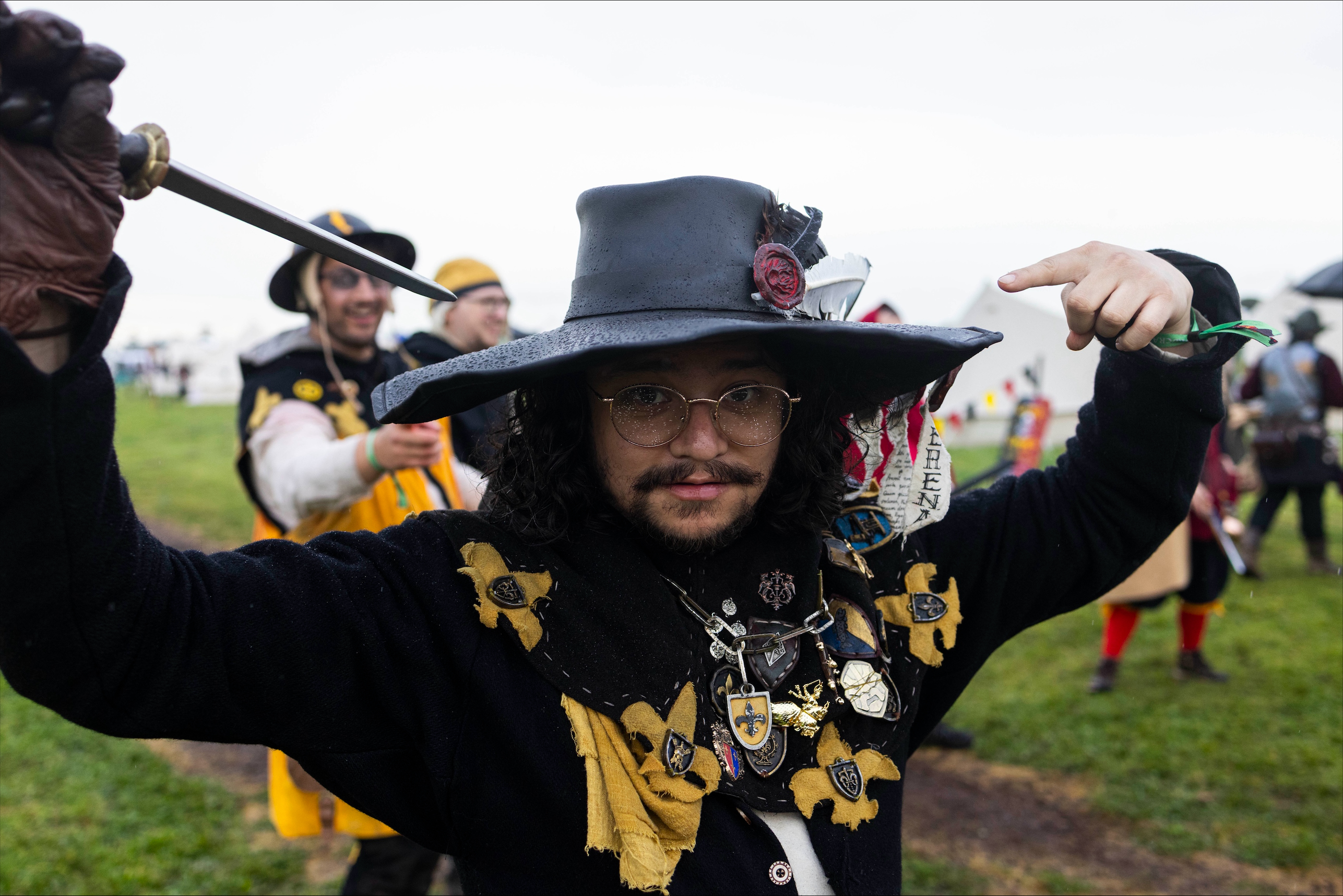
Swordcraft can be a place to find people who share an interest that doesn’t necessarily fit neatly into everyday life. It can be a place to make friends, try out a new version of yourself or simply spend time with people who don’t need you to explain why any of this is fun.
The fighting is one draw. The community is another.
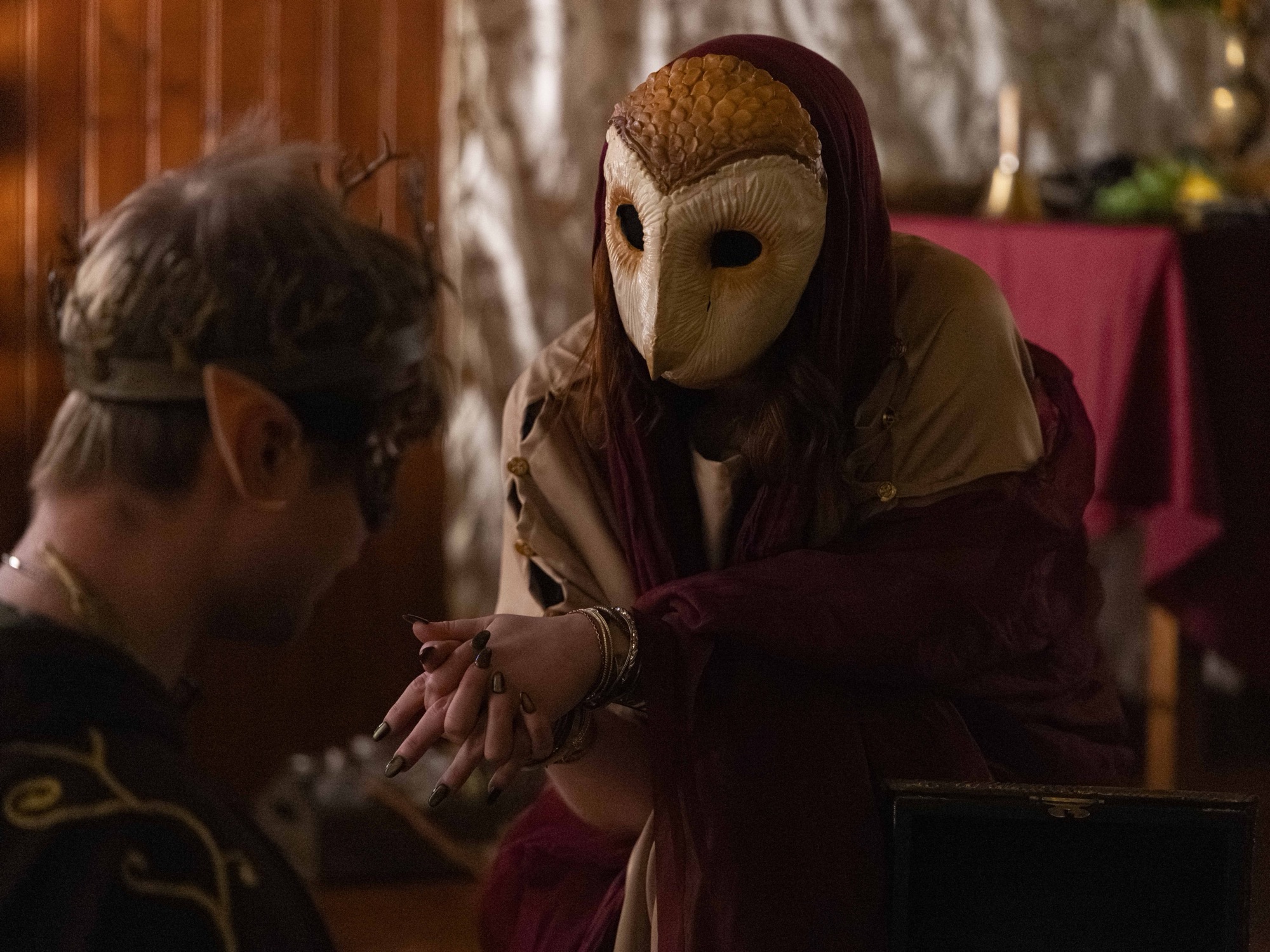
A playground for being someone else
Lou, Swordcraft’s media representative and the person behind this conversation, first became involved when she was 16.
She describes herself then as a shy, weird kid who struggled to talk to people. Swordcraft gave her a reason to meet people she didn’t know, take on new challenges and find her place in a community.
Thirteen years later, she credits the experience with helping her develop confidence, social skills and people-management abilities.
It’s a particularly revealing part of the story because the benefits aren’t necessarily about fantasy at all.
Taking on a character can give someone permission to experiment. They might try speaking in front of a crowd, negotiating with other players, taking on leadership or doing something that would feel intimidating in their everyday life.
The character becomes a kind of social testing ground. You can try something new, see how it feels and learn from the experience.
For a community that welcomes people across gender identities and is supportive of queer participants, that freedom can matter. Players have room to explore character, identity and ways of interacting that might not be available to them in every other part of their lives.
It’s not that everyone arrives looking for a profound personal breakthrough. Sometimes people just want to hit things with foam swords and perform an unnecessarily dramatic death.
But the freedom to be ridiculous, serious, brave, theatrical or something in between can be meaningful in its own right.
For many, it’s a playground.
Yes, the swords are real enough to hurt
The weapons are foam, generally built around a firmer core, but that doesn’t mean the battles are entirely without consequences.
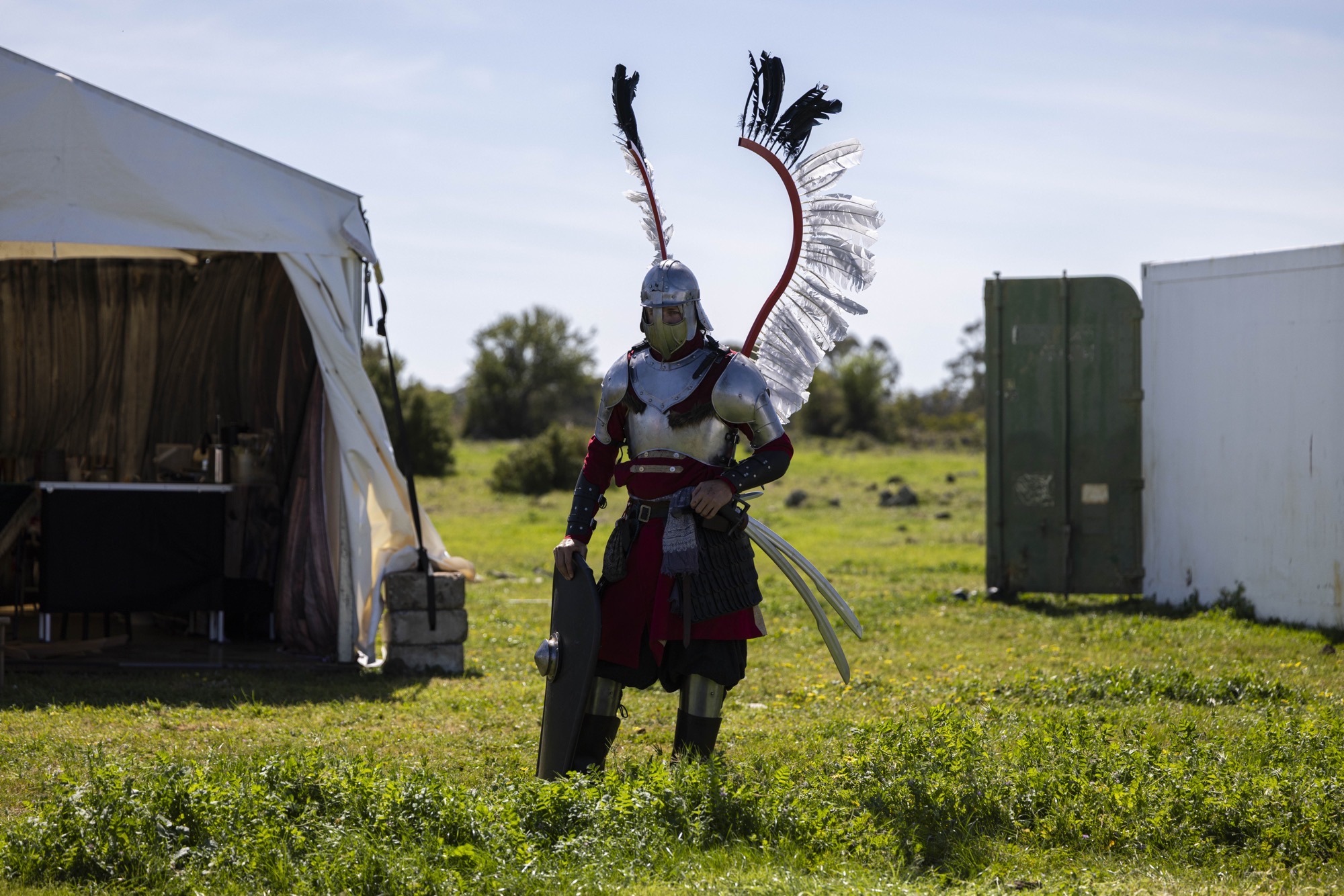
Players wear varying amounts of armour, with some setups weighing between five and 30 kilograms. They can spend hours fighting, moving, coordinating and trying to outmanoeuvre the opposing side.
The game uses hit points and a trust-based system. Players take hits, lose hit points and respond according to the rules. If a character’s health runs out, they may bleed out unless healed, with death forming part of the game’s mechanics.
That doesn’t necessarily mean the player is permanently out of the story. Characters can die, return according to the rules and rejoin the game. Permanent character death, when it occurs, can carry real emotional weight for the person who has spent years developing that character.
Marshals help oversee battles and make sure players follow safety rules.
It’s theatrical, but it is also physical. Wearing heavy armour for hours while running around a field and fighting other people is not exactly a low-impact hobby.
And if the thought of that sounds exhausting, imagine doing it while trying to remember the political consequences of a decision made in the Senate the night before.
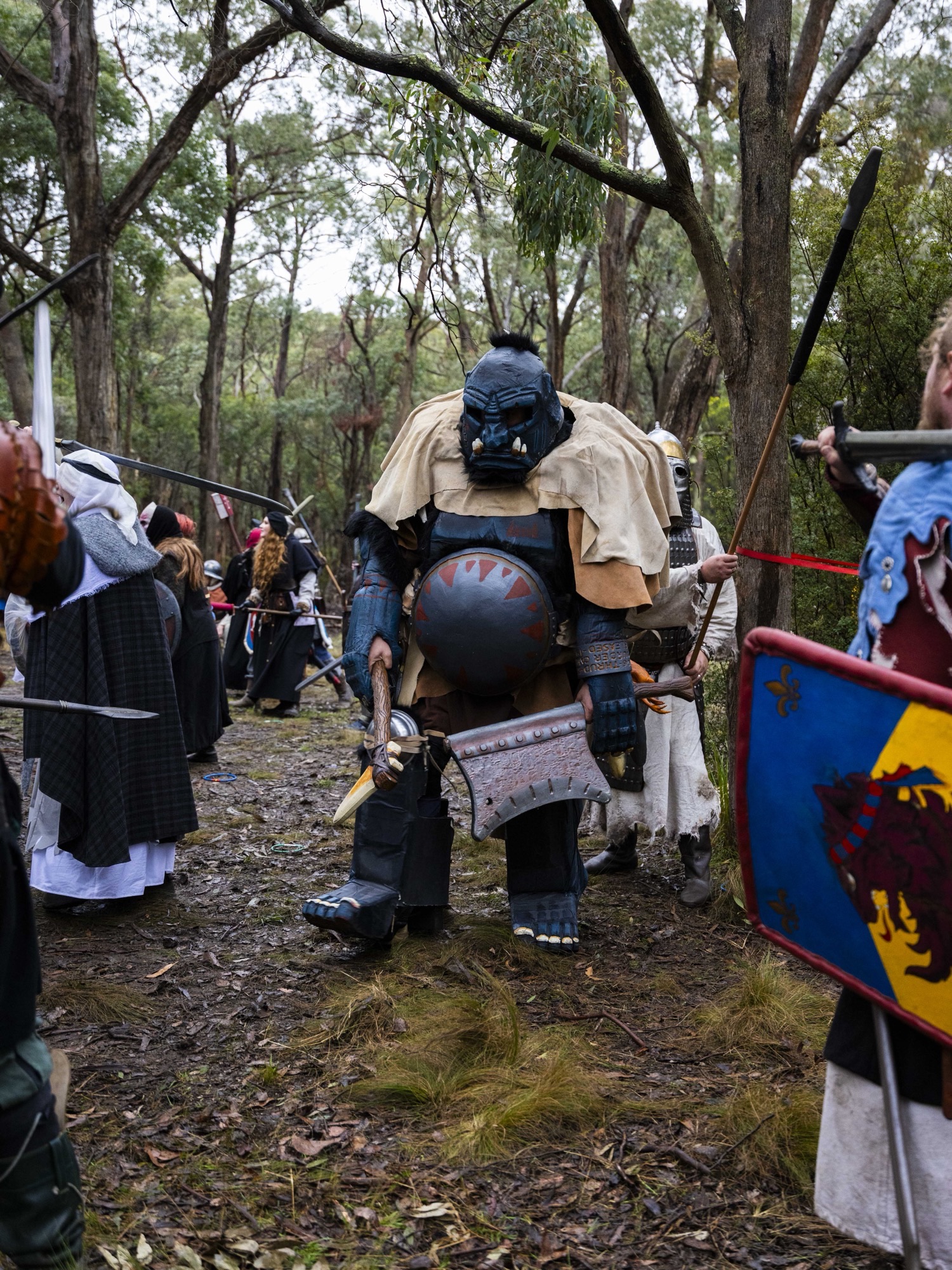
The serious business of pretending
Swordcraft’s world has room for high-stakes storytelling and complete nonsense.
A character might face threats, fear, grief or the prospect of losing everything they’ve spent years building. Players can become deeply invested in the fate of Sudenburg and the people who inhabit it. The fictional stakes can be surprisingly emotional because the relationships, decisions and experiences are being created collectively.
Then, in the same world, someone might be involved in a spectacularly silly skit with the energy of Monty Python.
That contrast is part of the appeal. The story can be sincere without taking itself seriously all the time. A political debate can matter within the game while also being a hilarious parody of the real thing.
And the bureaucracy isn’t incidental. It’s another way to inhabit the world.
Players don’t just fight for Sudenburg. They argue over it, govern it, defend it and deal with the consequences of their decisions.
The result is a strange little social experiment: hundreds of people voluntarily creating a fictional society, complete with all the grand ambitions, petty disputes, alliances and administrative headaches that come with one.
Except this society has an undead army at the gates.
More than escapism
Escapism is an obvious part of the attraction. For a week, you can step away from work, bills, household routines and the expectations of everyday life. You can become someone else, occupy a different world and throw yourself into a story that isn’t happening on a screen.
But the idea that it’s just escapism misses something.
Players are still learning how to work with people, negotiate disagreements, organise groups, make decisions and build relationships. They are creating something that doesn’t exist until everyone agrees to participate in it.
The fantasy provides the setting. The people make it real.
And perhaps that is why the annual gathering matters beyond the costumes and the battles. Five hundred to 700 people arrive from different places, with different lives and different reasons for being there. They spend a week building a shared experience, navigating its problems and contributing to a story that belongs to all of them.
They leave with memories, friendships and a world that will continue without them until they return.
Lou’s own story is one example of what that can mean. The shy teenager who found it difficult to talk to strangers became someone who could build relationships, manage people and help communicate the work of a large community.
Not every player will have the same experience. But the opportunity is there: to try, to fail, to be a little ridiculous and to discover that you can do more than you thought.
Which brings us back to Pomborneit.
Every year, people travel from across Australia and overseas to spend a week in a paddock, fighting imaginary enemies, debating imaginary laws and trying to keep an imaginary town alive.
They could be doing a thousand other things. Instead, they come back to Sudenburg.
Because the world may be fictional, but the community they’ve built inside it isn’t. And, with the undead closing in, there is still plenty left to do.
Instagram: @josh_stanyer_photography
Website: swordcraft.com.au
Swordcraft Instagram: @swordcraft_larp


Leave a Reply