
FEATURE
One breath longer: Ronnie
Before any of this, Ronnie’s week had a shape to it.
Her husband left for work Monday to Friday. Ronnie worked four days in Geelong as a medical scientist, commuting from Colac to the clinical labs at the hospital, often on shift work. Her daughters went to school in Colac. There were errands, meals, washing, appointments, the ordinary machinery of keeping a household upright.
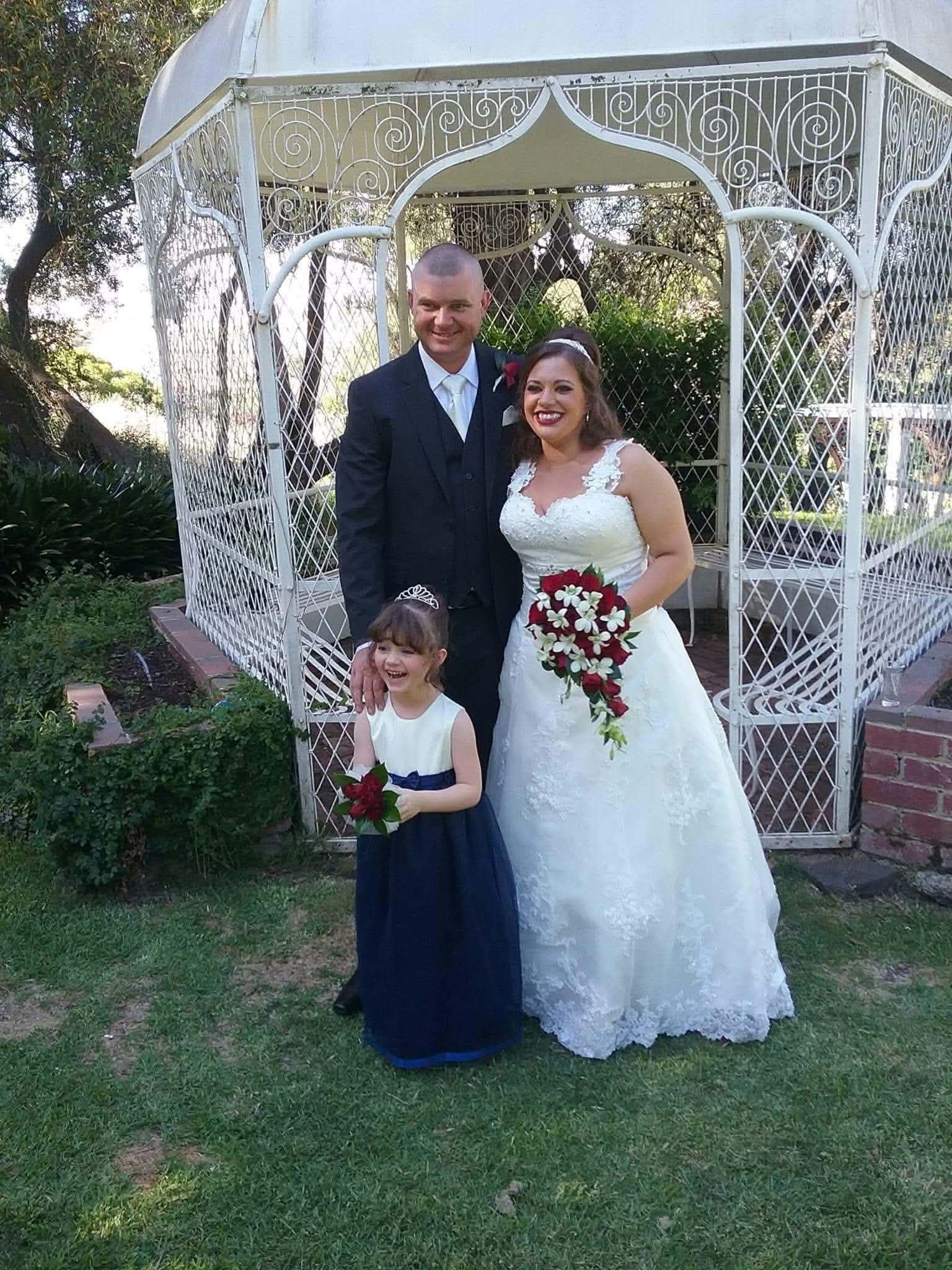
The family moved to Colac in 2022, after living in Broadford. One of the reasons was access to allied health services. Ronnie’s youngest daughter, Millie, is eight and has a rare genetic condition, a 4q deletion, which means her needs are significant and not always easy to arrange support around. Her older daughter is almost fourteen: fierce, capable, and, as Ronnie puts it, probably much the same person she would be whether her mum was here or not.
Then, earlier this year, a routine medical investigation found something that did not belong.
THE SCAN
It began with Ronnie’s GP, a doctor she describes, without hesitation, as the best GP in the world. She had been experiencing hypertension and losing weight. Treatment was not making the difference it should have. A Holter monitor test followed. Then, during what was meant to be a routine ultrasound of her kidneys, something else appeared.
A mass.
It was on one of her adrenal glands, above the kidney. At first, doctors estimated it at around 7.5 centimetres. Ronnie remembers being told that masses in that area are not usually seen at that size, and that it needed to come out, whether it was benign or cancerous could not be known until it was removed or biopsied.
“It all happened so quickly,” she says.
She saw her GP in April. By then, she had lost ten kilograms. The ultrasound was in mid-May, results at the end of May. Over the next two months came a CT, PET and MRI scans, an endocrinologist, a surgeon, an anaesthetist.
On 5 August, the mass was removed.
Ronnie describes the surgeon as a “rockstar,” professional, kind and thorough. But being on the other side of the health system was strange. She works in clinical labs. She knows how hospitals work from the inside. Suddenly, she was the patient.
Two weeks after surgery, at a post-operative appointment, she asked for the histopathology report.
The mass had been sent to Peter MacCallum Cancer Centre for confirmation.
It was cancerous.
“LIFE JUST GOES ON”
The cancer was adrenocortical carcinoma or ACC. Ronnie and her husband had been operating under the assumption that the mass would turn out to be benign.
There was shock. But there was also, almost immediately, the practical reality of life continuing.
“You can’t wallow,” she says. “You’ve got shit to do.”
At first, the news seemed manageable. The initial pathology suggested a low recurrence score, 3 out of 9, and no chemotherapy was recommended at that stage. Instead, there would be five years of surveillance.
Then Ronnie was referred to the Andrew Love Cancer Centre, which referred her to Peter Mac. Peter Mac initially rejected the referral. Her mother emailed. A liaison nurse followed up. The next day, the referral was accepted.
When Ronnie finally saw the upper GI oncology unit at Peter Mac, the picture changed.
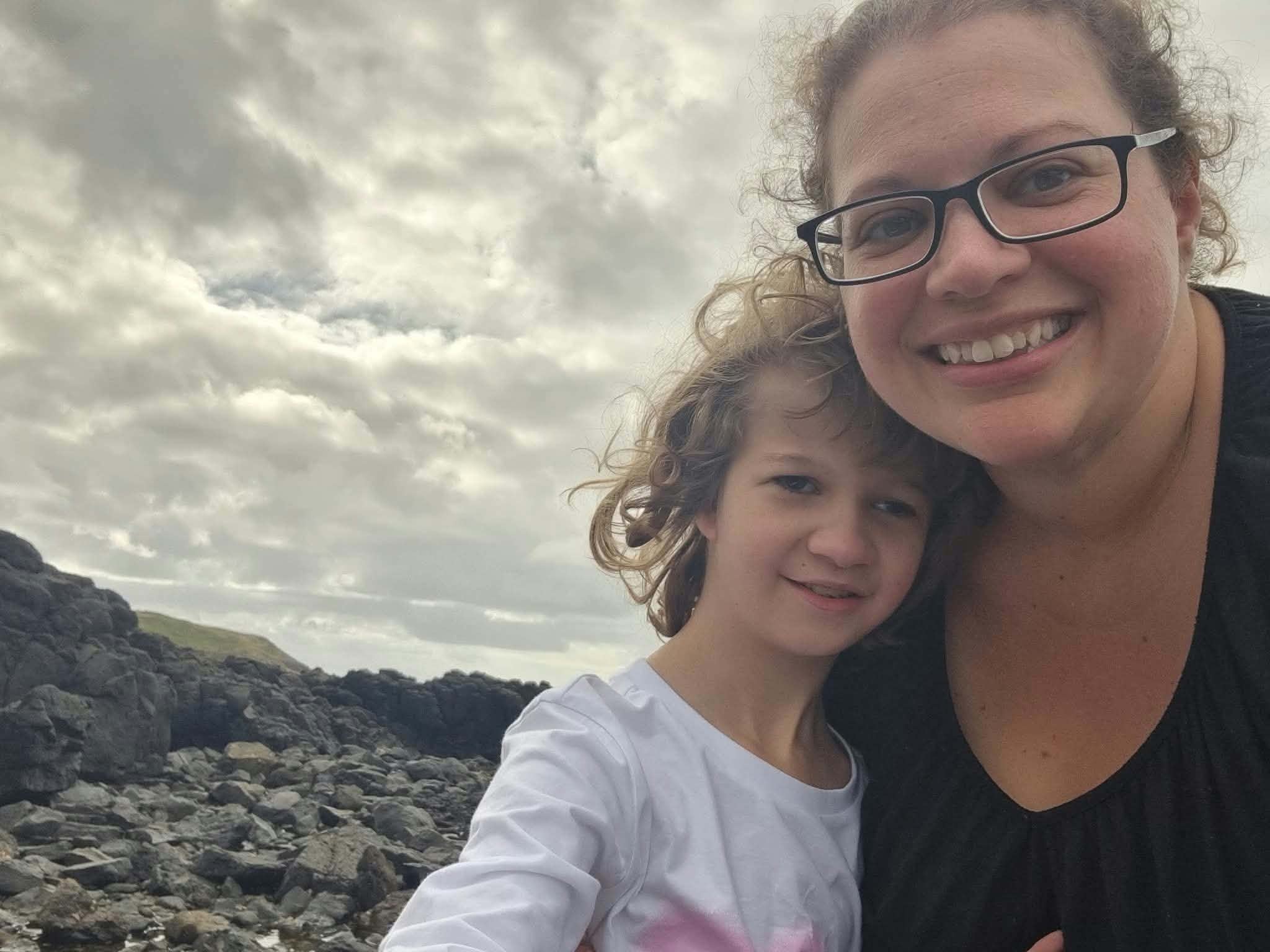
Millie is eight and has a rare genetic condition — a 4q deletion — which means her needs are significant and not always easy to arrange support around. Her older daughter is almost fourteen: fierce, capable, and, as Ronnie puts it, probably much the same person she would be whether her mum was here or not.
The tumour, once removed and measured properly, was larger than first thought: 8.2 centimetres. Anything above eight centimetres, she was told, carries a greater chance of spread. Further testing, including a Ki-67 test, which measures how many cells are actively dividing, suggested around 30 per cent of the tumour cells were dividing.
The recurrence score moved from 3 out of 9 to 6 out of 9.
The plan changed too: four cycles of intravenous chemotherapy, every four weeks, each session around five hours long, beginning in early November. As well as that, there is mitotane, an oral chemotherapy drug used specifically for ACC, intended to be taken for somewhere between two and five years.
ACC is extraordinarily rare. Ronnie has been told it affects roughly one to two people per million each year, perhaps 25 to 50 people annually in Australia. The evidence base is thin. Research is limited. Much of what families learn comes from small studies, anecdotal reports and other patients’ experiences.
“The plan we have is the best we’ve got,” Ronnie says.
THE COST OF TREATMENT
Mitotane is not covered by Medicare.
The cost is around $16,000 a year.
Ronnie, like many of us, does not have that kind of money sitting aside. Her husband has talked about selling the house, or taking money out of super. But there are two children to think about one of whom needs ongoing, specialised support.
“It’s not something you just have laying around,” she says.
When Ronnie’s mother suggested a GoFundMe, Ronnie did not know how to feel about it. Asking people for money felt wrong. She had already been in contact with the ATO and her super fund. She had printed off forms. She did not want anyone’s help.
But her mother told her something else: there are a lot of people who love you, and they want to help.
The response has overwhelmed her. Before the page went up, Ronnie had not really told many people what was happening. Her mother had already posted it. Suddenly, more people knew.
She has named the tumour Freddy Freeloader.
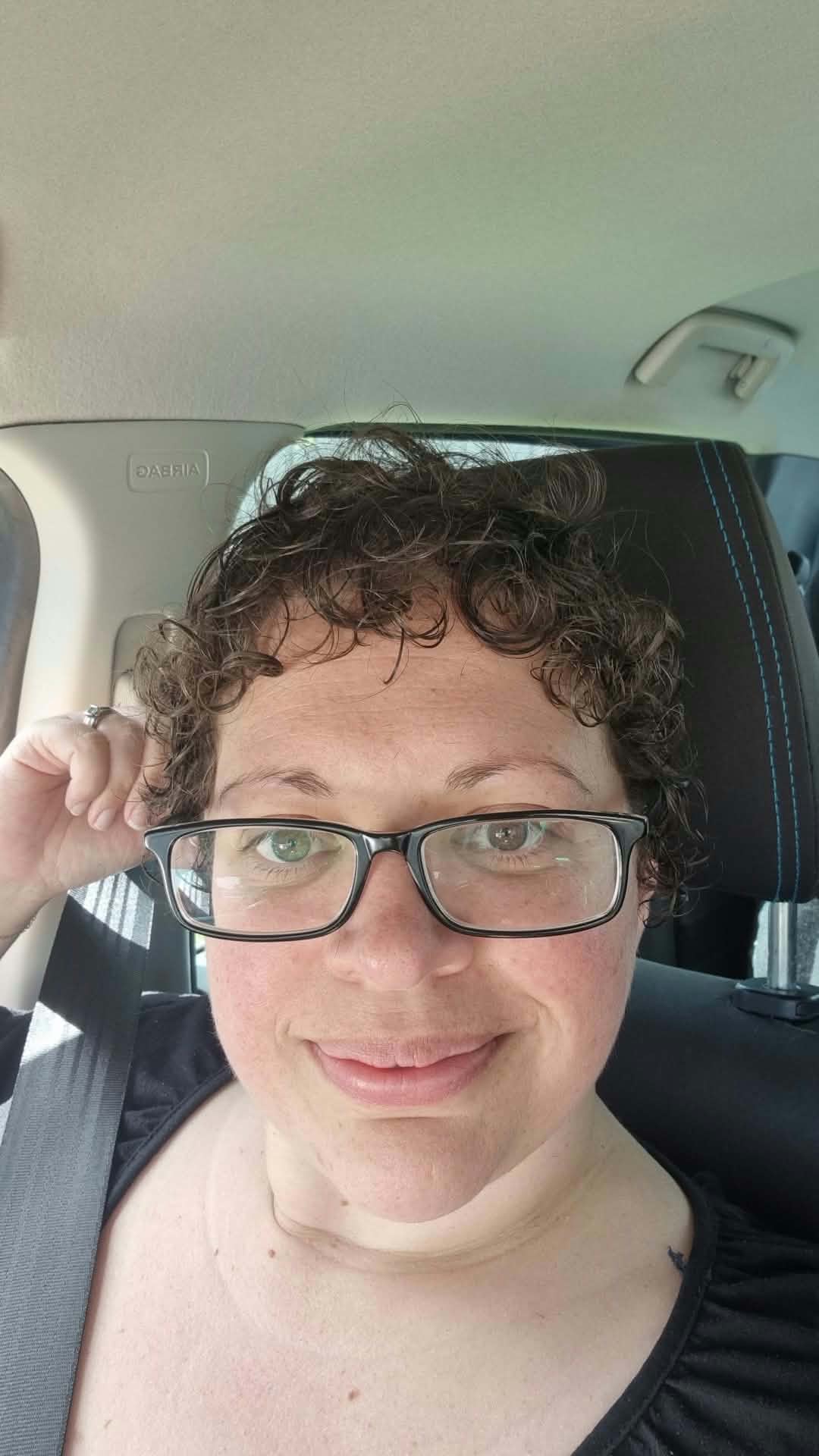
She has named the tumour Freddy Freeloader.
BEING THEIR MUM
Ronnie loves both her daughters fiercely.
Her eldest, she says, would be okay. She is strong and independent in a way that makes Ronnie both proud and slightly sad.
Millie is different. Her needs are constant, specific and not easily delegated. She uses key word signs. Not everyone can care for her. Organising respite, appointments, school, work and treatment becomes a logistical puzzle, one that gets harder when chemotherapy starts and Ronnie is unwell.
Before the diagnosis, she had already said something she now repeats: it would be nice to live forever, but all she really needs is one breath longer than Millie.
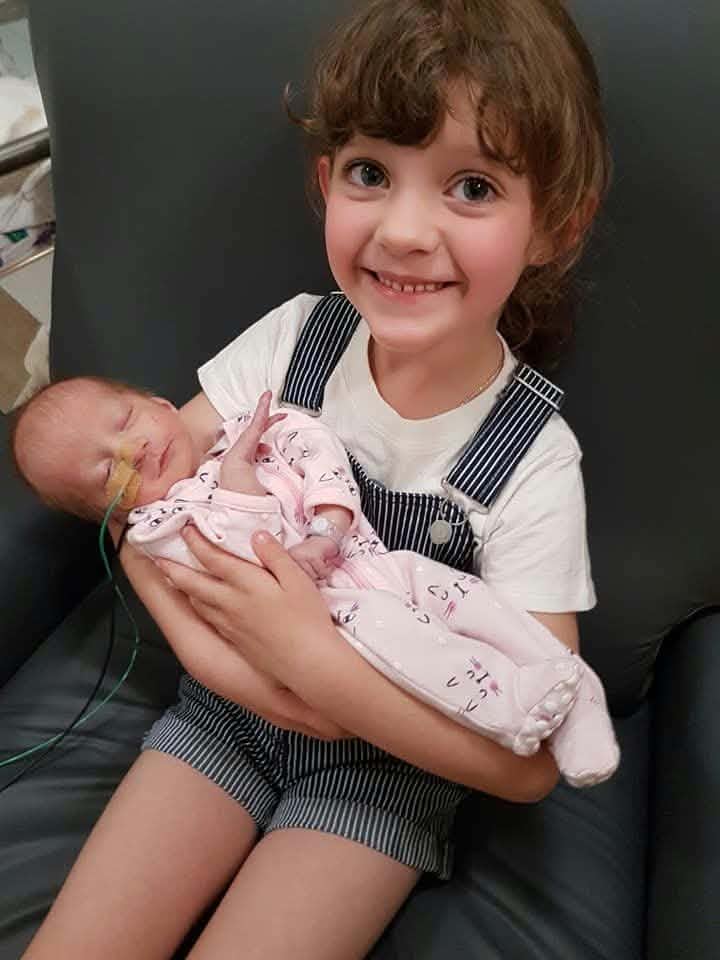
Her biggest fear is not being here for them.
Before the diagnosis, she had already said something she now repeats: it would be nice to live forever, but all she really needs is one breath longer than Millie.
Now that thought sits differently.
Her plan, she says, is to kick it in its arse.
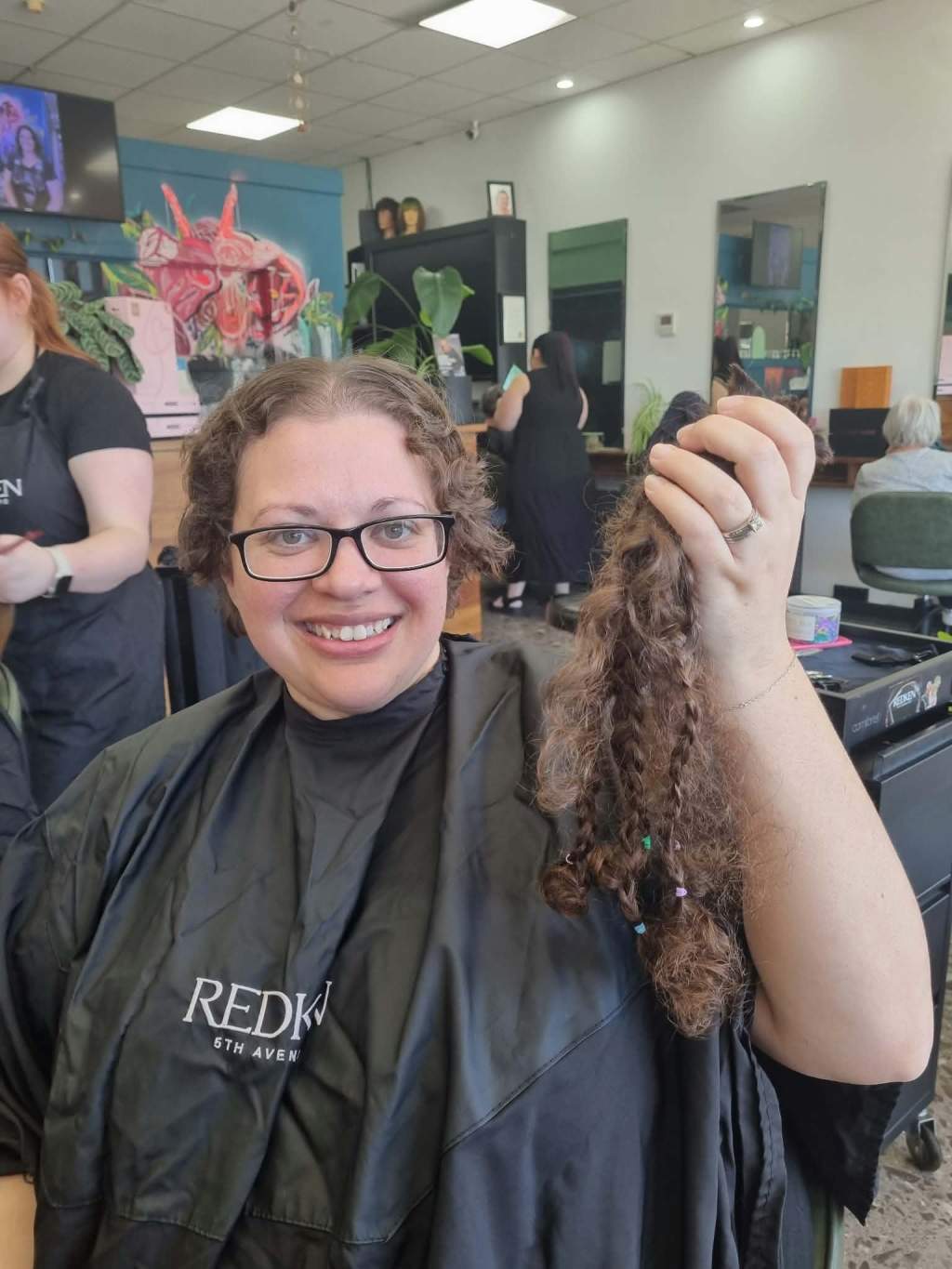
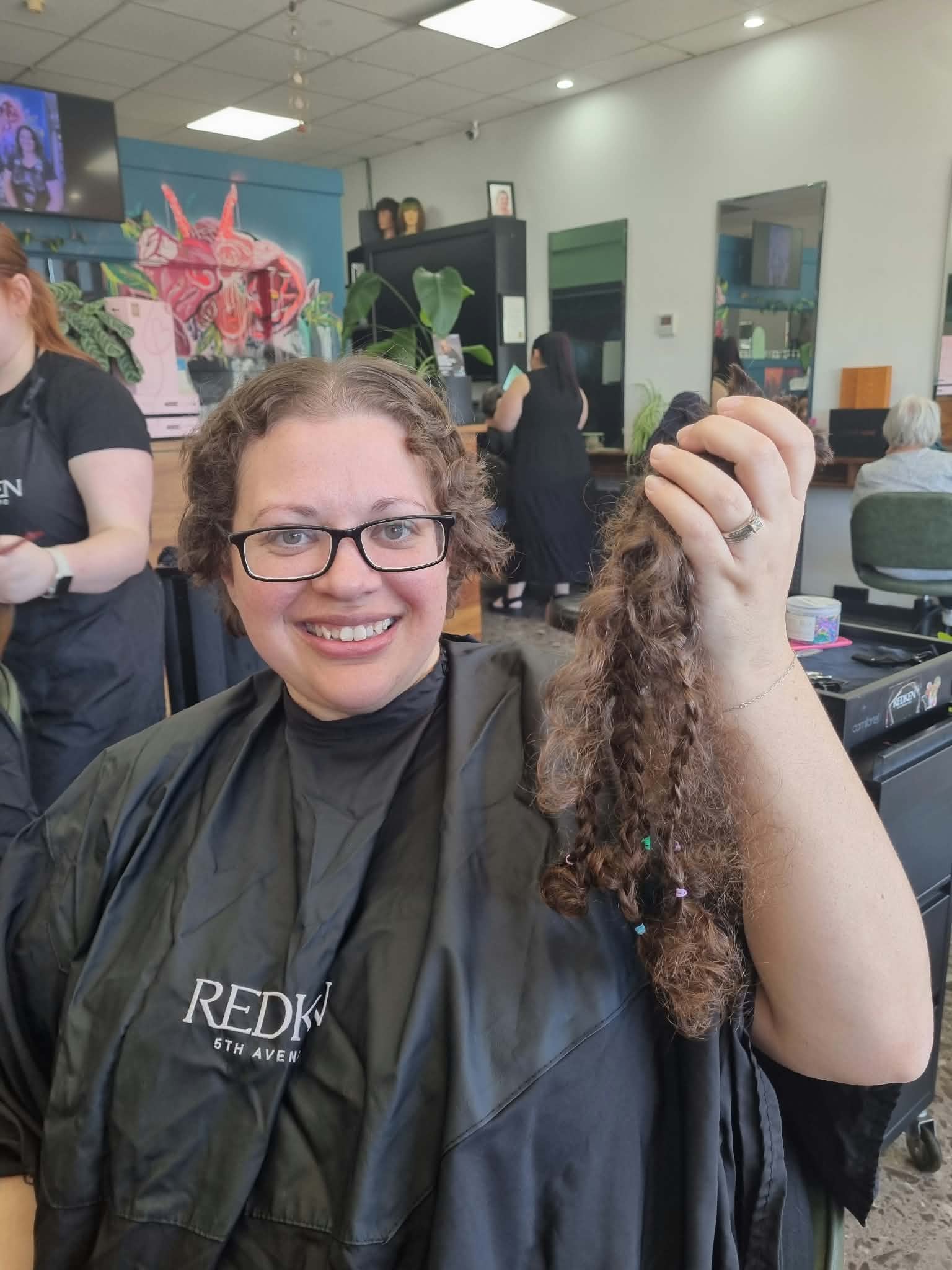
She knows chemotherapy will not be pleasant. She is preparing to lose her hair, and plans to cut it beforehand and donate it. There are decisions still to make about IV access. There is a first surveillance CT coming up.
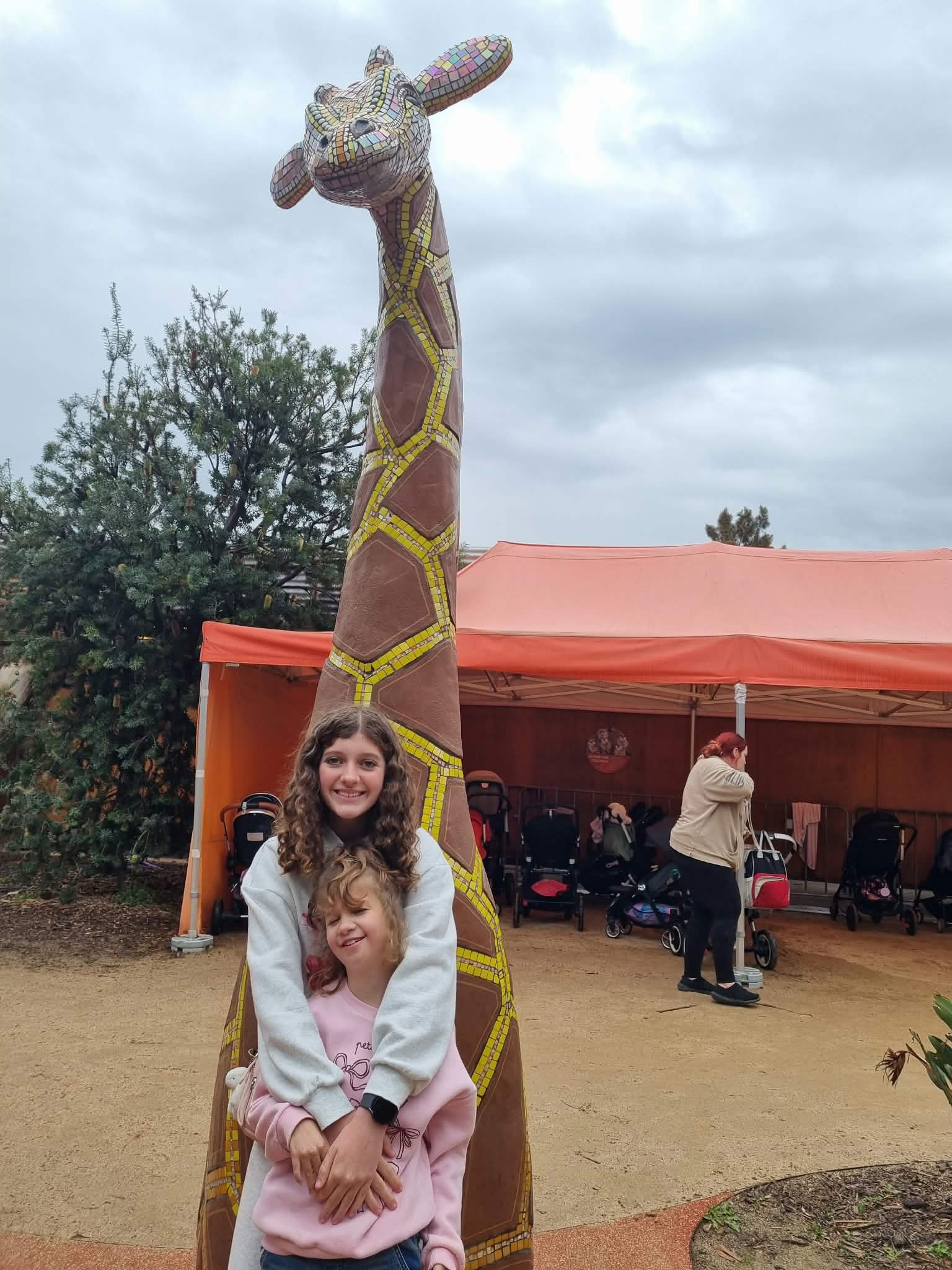
But she is trying to keep looking forward, to ordinary family things. Trips along the coast. Fish and chips from the Apollo Bay co-op. Cheese and ice cream in Timboon. Waterfalls. Watching the whales at Warrnambool.
The things that used to make up a week.
A REGIONAL REALITY
Living in Colac has made some things easier. People know each other. Word travels. Support arrives, sometimes before you have asked for it.
But it has also made other things harder.
The travel is constant. Geelong for work. Melbourne for specialist care. Appointments that consume whole days. And when you have a child whose care cannot simply be handed to anyone, every trip needs planning, organising, contingency.
Ronnie does not want her story to be only about her.
She wants people to know that ACC exists. That rare cancers exist. That research and funding matter. That not every treatment is covered, and not every family can absorb the cost of the treatment they are told they need.
She is not the only one going through something like this.
For now, she is getting ready. Appointments, forms, chemotherapy, mitotane, a family adjusting around her.
And somewhere in the middle of it all, Ronnie is still doing what she has always done: working in health because she believes in helping people, joining the school council, keeping busy, and holding her family together.
Not because she is brave.
Because there is no other way to do it.


Leave a Reply